



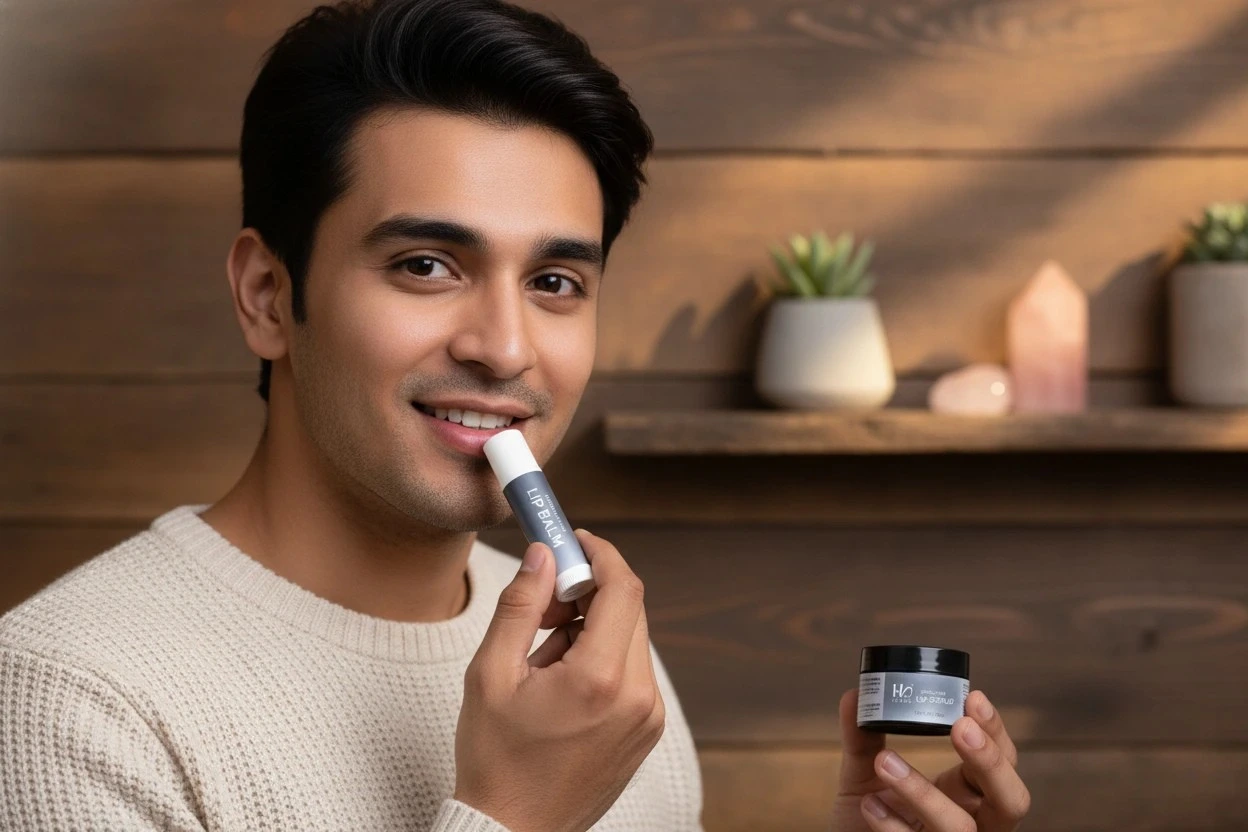
Introduction: Are You Accidentally Destroying Your Lips?
Picture this: You wake up with swollen, cracked, and discolored lips—even though you’ve been “taking care” of them religiously. You apply your favorite lip balm, and it feels good for a moment. But by afternoon? Your lips feel worse than before. Sound familiar?
Here’s what most people don’t realize: your lip care routine might be the very thing sabotaging your lips. While you think you’re helping, you’re potentially creating a cycle of damage that gets worse with every well-intentioned application.
According to dermatological research, 18.8% of the population experiences chronic lip problems—and the majority of these cases stem from preventable mistakes. The uncomfortable truth? Most of these mistakes aren’t just cosmetic. They can lead to infections, permanent pigmentation, premature aging, and even serious health concerns.
The good news? Once you understand what you’re doing wrong, fixing it is refreshingly simple. In this comprehensive guide, we’ll expose nine critical lip care mistakes dermatologists see daily—mistakes that are likely costing you that healthy pink pout you’ve always wanted. More importantly, we’ll show you exactly how to stop making them.
Ready to transform your lips from neglected afterthoughts to the beautiful, pillowy focal point of your face? Let’s dive in.
Why Your Lips Are Different (And Why It Matters)
Before we tackle the mistakes, you need to understand why your lips are so vulnerable in the first place.
Your lips are fundamentally different from the rest of your facial skin. Unlike the skin on your cheeks or forehead, your lips completely lack sebaceous glands—the tiny oil factories that keep most of your skin moisturized. This means your lips cannot produce their own natural oils to retain moisture.
Additionally, lip skin is approximately one-tenth the thickness of the skin on your face. This thin, delicate barrier is why lips are prone to drying out faster, absorbing products more readily, and suffering damage more severely than other areas.
With this biological reality in mind, let’s examine the nine mistakes that are waging war on your precious pout.
Mistake #1: Using Lip Balms With Drying Ingredients (The Biggest Culprit)
You think you’re helping, but that beloved lip balm might be your lips’ worst enemy.
The Vicious Cycle of Lip Balm Dependency
Here’s the cruel irony: many popular lip balms contain ingredients specifically designed to feel soothing—ingredients that actually make your lips drier over time. This creates what dermatologists call the “lip balm dependency cycle.”
Dr. Mark Strom, a board-certified dermatologist at NewYork-Presbyterian Hospital, explains the problem: “Many lip balms contain menthol, camphor, or phenol ingredients that provide temporary relief but ultimately dry out your lips even more”. When your lips feel drier, you reapply the balm, which dries them out further, leading you to apply it again. The cycle perpetuates indefinitely.
A clinical analysis reveals that approximately 80% of commercial lip balms contain at least one problematic drying ingredient
The Specific Ingredients Destroying Your Lips
Menthol and Camphor
These cooling agents are added to create that refreshing tingle. While they feel pleasant initially, they actively exfoliate the outer protective layer of your lips, leading to increased dryness and sensitivity. Over time, this repeated exfoliation damages your lip barrier permanently.
Phenol
Used in some formulations for its anesthetic properties, phenol is actually quite harsh on delicate lip skin. It can cause irritation, numbness, and exacerbate dryness.
Artificial Fragrances and Flavors
These are often the hidden culprits. Manufacturers aren’t required to disclose their complete ingredient list under “fragrance,” which can hide potentially irritating components like phthalates. Many people experience contact dermatitis (rashes, itching, burning) from synthetic fragrances without ever realizing the cause.
Alcohol (Ethanol and Isopropyl Alcohol)
These simple alcohols are moisture-stripping powerhouses. They violently remove natural lipids from your lips, disrupting the barrier and leaving you in a perpetual state of dryness.
Salicylic Acid
While this beta hydroxy acid is excellent for acne-prone skin, it’s far too harsh for lips. It exfoliates aggressively, stripping away protective layers.
Lanolin
Derived from sheep’s wool, lanolin is frequently linked to allergies and irritation. Counterintuitively, despite being intended as a moisturizer, it often makes lips feel drier.
What You Should Use Instead
The surprising recommendation from leading dermatologists? Plain petroleum jelly (Vaseline). Not the fancy formulations or trendy products—just plain, 100% petroleum jelly.
Why? It’s an occlusive agent that creates a seal over your lips, trapping existing moisture. It doesn’t strip, irritate, or create dependency cycles. Dr. Mark Strom’s recommended three-step method: apply hyaluronic acid serum to damp lips, let it dry, then seal with a generous layer of petroleum jelly.
For those preferring natural alternatives, look for lip balms containing shea butter, cocoa butter, or mango butter—ingredients that genuinely nourish without drying.
Mistake #2: Constantly Licking Your Lips (The Ancient Bad Habit)
You’ve probably done this a thousand times today without thinking. It feels like it should help, right? Wrong.
Why Your Saliva Is Your Lips’ Enemy
When you lick your lips, you coat them with saliva, which temporarily feels moisturizing. But here’s the problem: saliva contains enzymes specifically designed to digest food. These same enzymes break down the protective layer of your lips, stripping away natural oils and causing damage at the cellular level.
When saliva evaporates—which it does quickly due to lips’ lack of oil glands—it doesn’t just disappear. It takes the moisture that was already in your lips with it. The result? Your lips end up drier than before you licked them.
The Long-Term Consequences
Chronic lip-licking doesn’t just cause temporary dryness. According to research published by the National Center for Biotechnology Information, persistent lip-licking can cause serious conditions:
- Cheilitis simplex (chronic inflammation of the lips)
- Angular cheilitis (painful cracks at the corners of the mouth)
- Exfoliative cheilitis (excessive flaking and peeling)
- Factitial cheilitis (tissue damage from repeated trauma)
The condition gets worse because the damaged barrier makes lips susceptible to secondary bacterial or fungal infections.
How to Break the Habit
This requires conscious awareness. Keep a hydrating lip balm (free of menthol and alcohol) within arm’s reach at all times. When you feel the urge to lick, apply balm instead. The key is replacing one habit with another that actually helps.
If the habit is rooted in anxiety—which many dermatologists suspect for chronic cases—addressing the underlying stress can be more effective than any lip product.
Mistake #3: Over-Exfoliating Your Lips (Yes, This Is Possible)
Exfoliation sounds like it should be good for lips, right? Removing dead skin cells, promoting renewal, creating that smooth texture—it all makes sense. But there’s a limit, and most people exceed it dramatically.
The Over-Exfoliation Trap
Your lips regenerate faster than other skin they renew every 3-7 days compared to the typical 28-day cycle elsewhere. This means they need less exfoliation than you probably think.
Over-exfoliating your lips causes multiple problems:
Barrier Impairment
Excessive exfoliation removes the protective stratum corneum layer before it’s ready, exposing delicate skin beneath. This leaves your lips vulnerable to irritants, bacteria, and environmental damage.
Increased Sensitivity
The more you exfoliate, the more sensitive your lips become. You’ll find yourself reacting to products and environmental factors that wouldn’t normally bother you.
Chronic Dryness
Ironically, over-exfoliating leads to the very problem you’re trying to prevent—stubborn, persistent dryness.
The Right Exfoliation Schedule
Maximum frequency: 2-3 times per week
Not daily. Not twice daily. Two to three times weekly is the absolute maximum.
Duration: 30-60 seconds maximum
Gentle circular motions for less than a minute. If you’re scrubbing harder than that, you’re causing damage.
Skip if compromised
If your lips are already cracked, peeling, or irritated, skip exfoliation entirely until they heal.
Mistake #4: Sleeping With Lipstick On (The Overnight Disaster)
You’re tired. You crawl into bed without fully removing your makeup—including lipstick. “I’ll deal with it tomorrow,” you think. But by tomorrow morning, the damage is done.
What Happens During 8 Hours of Lipstick
Most lipsticks and lip glosses contain wax to provide longevity and color payoff. While this helps your color last through the day, it becomes a problem overnight.
During sleep, your lips don’t regenerate actively like they do during waking hours—you’re not eating, talking, or moving. Instead, the wax sits on your lips for hours, creating an occlusive barrier that traps moisture inside and prevents your lips from breathing.
By morning, this has resulted in:
- Severely dehydrated, chapped lips
- Darkened, discolored lips from dye transfer
- Flaking and peeling
- Potential bacterial growth (lipstick is applied with fingers or applicators that harbor bacteria)
The Cascading Effects
Here’s what makes it worse: the wax also transfers to your pillow. This creates a breeding ground for bacteria, which then re-contaminates your lips every night.
If this is a regular habit, you’re essentially coating your lips in a bacteria-rich environment night after night, significantly increasing infection risk.
The Proper Bedtime Routine
Step 1: Remove lipstick completely
Use a gentle makeup remover or natural oil (coconut or almond oil work beautifully)
Step 2: Cleanse thoroughly
With a mild cleanser, not harsh soap
Step 3: Apply nourishing treatment
Use an overnight lip mask or thick layer of petroleum jelly with vitamin
Step 4: Change your pillowcase
At minimum weekly; ideally after nights wearing lipstick
This simple routine prevents damage and allows your lips to repair overnight.
Mistake #5: Using Expired Lip Products (The Contamination Risk)
That gorgeous lipstick you’ve had for three years? That lip balm from your beach vacation last summer? It’s time to let them go.
The Hidden Dangers of Expired Lip Products
When lip products expire, multiple dangerous changes occur simultaneously:
Chemical Breakdown
The oils and waxes that compose lip balms oxidize over time, changing color (yellowing or browning) and texture (becoming grainy or clumpy). These aren’t just cosmetic changes—they indicate that the product’s protective and hydrating properties have deteriorated.
Bacterial and Fungal Colonization
As preservatives lose potency, bacteria and fungi establish themselves in the product. If you’ve been applying this contaminated product to your lips—especially cracked or broken skin—you’re introducing pathogens directly into your body.
Reduced Effectiveness
The moisturizing ingredients that made the product work initially break down, leaving you with a cosmetically useless product.
The Real Risks
Research shows that using expired lip products can lead to:
- Allergic reactions and contact dermatitis
- Bacterial lip infections
- Fungal infections (particularly problematic if you have any cuts)
- Lip inflammation and swelling
- Acne around the mouth area
Expiration Timeline
Typical shelf life for lip balms: 12-24 months from date of purchase
Typical shelf life for lipsticks: 2 years from date of purchase
The signs it’s time to toss:
- Texture changes (grainy, clumpy, or unusually soft)
- Color changes (yellowing, browning, or discoloration)
- Unpleasant odor (rancid or off-smelling)
- Separation of oils or unusual consistency changes
When in doubt, throw it out. Your lips are worth more than the cost of replacement products.
Mistake #6: Skipping SPF Protection (The Cumulative Damage)
Your face gets sunscreen. Your body gets sunscreen. But your lips? Many people treat them like they’re immune to UV damage. They’re not.
Why Lips Are SPF Priority #1
Your lips have virtually no melanin—the natural protection your skin uses against UV rays. This makes them exponentially more vulnerable to sun damage than any other facial area.
UV exposure on lips causes:
- Hyperpigmentation (dark patches and uneven discoloration)
- Premature aging (fine lines, loss of elasticity)
- Chronic dryness that no balm can fix
- Actinic cheilitis (a precancerous condition)
- Increased skin cancer risk
A groundbreaking study found that people who regularly use SPF lip protection develop significantly less lip hyperpigmentation than those who don’t. Moreover, the damage is cumulative—every unprotected day adds to the problem.
The SPF Standard
Minimum: Broad-spectrum SPF 30
Recommended: Broad-spectrum SPF 50 (especially for frequent outdoor exposure)
Reapplication Schedule:
- Every 2 hours when outdoors
- Immediately after eating or drinking
- After swimming or sweating
Most people apply SPF lip balm once in the morning and expect it to last all day. This is a critical mistake.
Best Practices for Lip Sun Protection
- Keep SPF balm everywhere—your bag, desk, car, pocket
- Choose physical blockers (zinc oxide, titanium dioxide) over chemical sunscreens for lips
- Reapply without guilt—your lips deserve attention
- Combine with other sun protection—wear a hat, seek shade during peak hours
Mistake #7: Harsh Makeup Removal (The Nightly Assault)
You know you should remove your lipstick before bed—that’s good. But how you remove it matters just as much as whether you remove it.
The Damage of Harsh Makeup Removers
Many commercial makeup removers contain alcohol or aggressive surfactants designed to dissolve long-wear formulas. While they’re effective at removing color, they’re devastating to lip health.
When you aggressively wipe or scrub lipstick off with harsh removers, you’re simultaneously:
- Disrupting the already-fragile lip barrier
- Removing natural protective oils
- Irritating delicate tissue
- Creating micro-tears that become entry points for bacteria
This happens night after night, compounding damage and eventually leading to chronic sensitivity and dryness.
The Gentle Alternative Method
Step 1: Use natural oil
Apply coconut oil, almond oil, or jojoba oil directly to your lips. Let it sit for 30-60 seconds to dissolve the lipstick.
Step 2: Gently wipe
Use a soft cotton pad or microfiber cloth to gently remove the loosened product. Don’t scrub.
Step 3: Double cleanse if needed
Use a gentle, pH-balanced cleanser to remove any remaining residue. Avoid lip-specific harsh removers.
Step 4: Immediately hydrate
Apply a nourishing lip balm or treatment before dryness sets in.
This method takes an extra 2-3 minutes but prevents weeks of damage.
Mistake #8: Ignoring Nutritional Deficiencies (The Internal Factor)
Your lips don’t lie—they’re a visible indicator of your internal health. If your nutrition is poor, your lips will show it.
The Vitamin-Lip Connection
Research in dermatology confirms that specific vitamin deficiencies directly cause lip problems:
Vitamin B12 Deficiency
Causes pale, darkened, or hyperpigmented lips due to impaired blood cell function
Iron Deficiency
Results in weak, thin, pale lips and increased susceptibility to infections
Vitamin C Deficiency
Leads to poor collagen production and weakened lip integrity
Vitamin E Deficiency
Causes increased oxidative damage and faster aging of lip tissue
Zinc Deficiency
Results in impaired healing, making existing lip problems worse
Studies found that correcting nutritional deficiencies through diet or supplementation significantly improves lip health, often without any topical treatments.
The Lip-Friendly Diet
For Natural Pink Lips, Include:
- Red meat, spinach, lentils (iron)
- Citrus fruits, berries, tomatoes (vitamin C)
- Eggs, dairy, fish (vitamin B12)
- Nuts, seeds, vegetable oils (vitamin E)
- Oysters, pumpkin seeds, chickpeas (zinc)
- Avocados, nuts, olive oil (healthy fats for moisture)
Avoid or Limit:
- Excessive caffeine (causes dehydration)
- Excessive sugar (causes glycation damage)
- Spicy foods (can irritate already-sensitive lips)
The connection between diet and lip health is often overlooked, but it’s fundamental.
Mistake #9: Using Matte Lipstick Without Proper Preparation (The Formula Problem)
Matte lipsticks are gorgeous—until they’re not. These long-wear, intensely pigmented formulas create some of the most beautiful lip looks, but they’re also among the most damaging to lip health.
Why Matte Lipsticks Are So Harsh
Matte formulas achieve their velvety finish by maximizing pigment concentration and minimizing oils. This means they’re inherently drying.
When applied directly to unprepared lips:
- They absorb every drop of moisture, leaving lips parched
- They emphasize fine lines and dry patches
- They can cause inflammation and irritation
- They stain lips with pigment over time, contributing to permanent hyperpigmentation
Research shows that 48.89% of people experiencing lipstick-related skin reactions used matte formulations, making them statistically the most problematic formula type.
The Proper Matte Lipstick Application Protocol
Step 1: Exfoliate gently (24 hours before if possible)
Remove dead skin cells with a soft lip scrub or gentle toothbrush
Step 2: Hydrate intensively
Apply a rich lip balm and let it absorb for 5 minutes
Step 3: Apply primer or base
Use a lip primer or dab of concealer to create a protective base
Step 4: Apply matte lipstick sparingly
Less is more—you can always build color
Step 5: Set with powder (optional)
A light dusting of translucent powder can reduce transfer
Step 6: Remove completely before bed
This is non-negotiable with matte lipsticks
Alternative: Embrace Hydrating Formulas
If matte lipsticks are causing chronic problems, consider switching to:
- Cream lipsticks (pigmented but moisturizing)
- Hydrating liquid lipsticks (long-wear without being extremely drying)
- Tinted lip balms (color with hydration)
- Lipsticks with hyaluronic acid (specially formulated for sensitive lips)
Your lips’ health matters more than any specific aesthetic
How These Mistakes Interconnect: The Domino Effect
Here’s the hidden danger: these mistakes don’t exist in isolation. They create a domino effect that compounds damage exponentially.
The Typical Scenario:
You use a menthol lip balm (Mistake #1), which makes your lips drier. So you lick them constantly (Mistake #2). You over-exfoliate to try to smooth them (Mistake #3). You sleep with matte lipstick on (Mistake #4) using an expired product (Mistake #5). You skip SPF (Mistake #6) and aggressively remove the lipstick (Mistake #7). You ignore your poor diet (Mistake #8) and repeat the cycle.
By the time you realize something’s wrong, you’ve created a perfect storm of lip damage—one that requires serious intervention to fix.
When to See a Dermatologist
While most lip problems can be resolved through correcting these mistakes, some situations require professional help.
Seek dermatological care if:
- Lip problems persist for more than 2-3 weeks despite corrected habits
- You develop persistent sores, lesions, or unusual patches
- Lips become severely swollen, painful, or discolored
- You suspect a lip infection (severe pain, pus, swelling)
- You have bleeding or significant peeling unrelated to dryness
- You experience allergic reactions (severe itching, swelling, rash)
Professional treatments available:
- Prescription antifungal or antibiotic creams for infections
- Chemical peels for hyperpigmentation
- Laser treatments for stubborn pigmentation
- Allergy testing if products consistently cause reactions
Introducing heandshecare.com: Your Lip Care Solution
Now that you understand what NOT to do, let’s talk about what TO do.
heandshecare.com specializes in creating lip care products that avoid all nine mistakes we’ve discussed. Their formulations feature:
- Zero drying ingredients (no menthol, phenol, or alcohol)
- Natural, nourishing bases (shea butter, coconut oil, plant-based waxes)
- Hyaluronic acid and peptides for hydration and plumping
- Broad-spectrum SPF options for daily protection
- Clean ingredient lists with no parabens or synthetic fragrances
- Cruelty-free, vegan-friendly formulations
Whether you’re recovering from years of lip care mistakes or starting fresh with better habits, heandshecare.com offers evidence-based solutions that actually support your lips’ health rather than undermining it.
Your Lip Recovery Protocol: 30-Day Challenge
Ready to transform your lips? Here’s your action plan:
Weeks 1-2: Stop the Damage
- Toss products with menthol, phenol, or alcohol
- Replace aggressive lip balm with plain petroleum jelly or heandshecare.com alternatives
- Stop licking your lips; keep balm nearby instead
- Remove all makeup (especially lipstick) before bed
- Start using SPF 30+ daily
Weeks 2-3: Gentle Restoration
- Introduce gentle exfoliation (2x weekly, 30 seconds maximum)
- Implement proper makeup removal technique
- Begin tracking your diet for nutritional deficiencies
- Switch to hydrating instead of matte lipsticks
- Establish consistent morning and night lip routines
Weeks 3-4: Advanced Care
- Implement overnight lip masks
- Apply hyaluronic acid-based products
- Test heandshecare.com’s specialized formulations
- Continue sun protection religiously
- Notice the dramatic improvements
After 30 days: Most people report significantly softer, pinker, fuller-looking lips that no longer feel constantly dry or uncomfortable.
Conclusion: Your Lips Deserve Better
Your lips have been sending you signals. That persistent dryness? That’s not normal. The darkening? That’s preventable. The sensitivity to any product? That’s your lips’ way of crying for help.
The nine mistakes we’ve discussed aren’t just cosmetic issues—they’re cumulative damage that gets worse with every repetition. But here’s the empowering truth: every single one of these mistakes is completely reversible.
You don’t need expensive treatments or professional interventions. You need to stop doing the things that hurt your lips and start doing things that help them.
Swap drying lip balms for petroleum jelly or trusted brands like heandshecare.com. Break the lip-licking habit. Give your lips the exfoliation schedule they actually need. Remove lipstick properly before bed. Check those expiration dates. Make SPF non-negotiable. Be gentle with removal. Nourish from within. Prepare your lips before matte lipstick.
Start today. Give yourself 30 days of proper lip care. We guarantee you’ll be shocked at the transformation.
Your future self—with soft, pink, healthy, kissable lips—is waiting.
FAQs: Your Top 5 Lip Care Questions Answered
Can I truly reverse years of lip neglect?
Absolutely, but it depends on the severity and the type of damage. Most damage from these nine mistakes is reversible within 4-12 weeks of consistent corrected care. However, some damage—like deep hyperpigmentation from years of sun exposure or permanent scarring from infection—may require professional treatment. The key is starting immediately; every day of proper care compounds in your favor.
How long until I see results from stopping these mistakes?
Week 1-2: You’ll notice reduced irritation and improved comfort
Week 2-3: Texture improves noticeably
Week 3-4: Color begins returning to natural pink tone
Month 2-3: Significant transformation visible
The exact timeline depends on how many mistakes you’ve been making simultaneously—the more changes you implement, the faster results appear.
Is petroleum jelly really better than trendy lip products?
For pure hydration and barrier repair, yes. However, petroleum jelly doesn’t address specific concerns like sun protection, active brightening, or plumping. The ideal approach combines petroleum jelly or quality balm as your base, with targeted treatments for specific concerns (SPF for daytime, peptides for plumping, vitamin C for brightening).
Can ingredient sensitivities mean I’m allergic to all lip products?
Not necessarily. Sensitivities typically stem from specific ingredient categories, not lip products universally. If you react to menthol balms, you might tolerate balms without menthol perfectly. Keep a simple list of ingredients that irritate you, then look for products that exclude them. Many dermatologists recommend testing on a small area first before full application.
How do I know if my lip problem needs medical attention?
Self-care is appropriate if: dryness, mild flaking, or sensitivity improves within 2-3 weeks of corrected habits
Seek medical help if: persistence beyond 3 weeks, severe pain, swelling, oozing, color changes, signs of infection (warmth, redness, pus), or allergic reaction (intense itching, swelling)
When in doubt, dermatological consultation is worth it—your lips are too important to guess.