



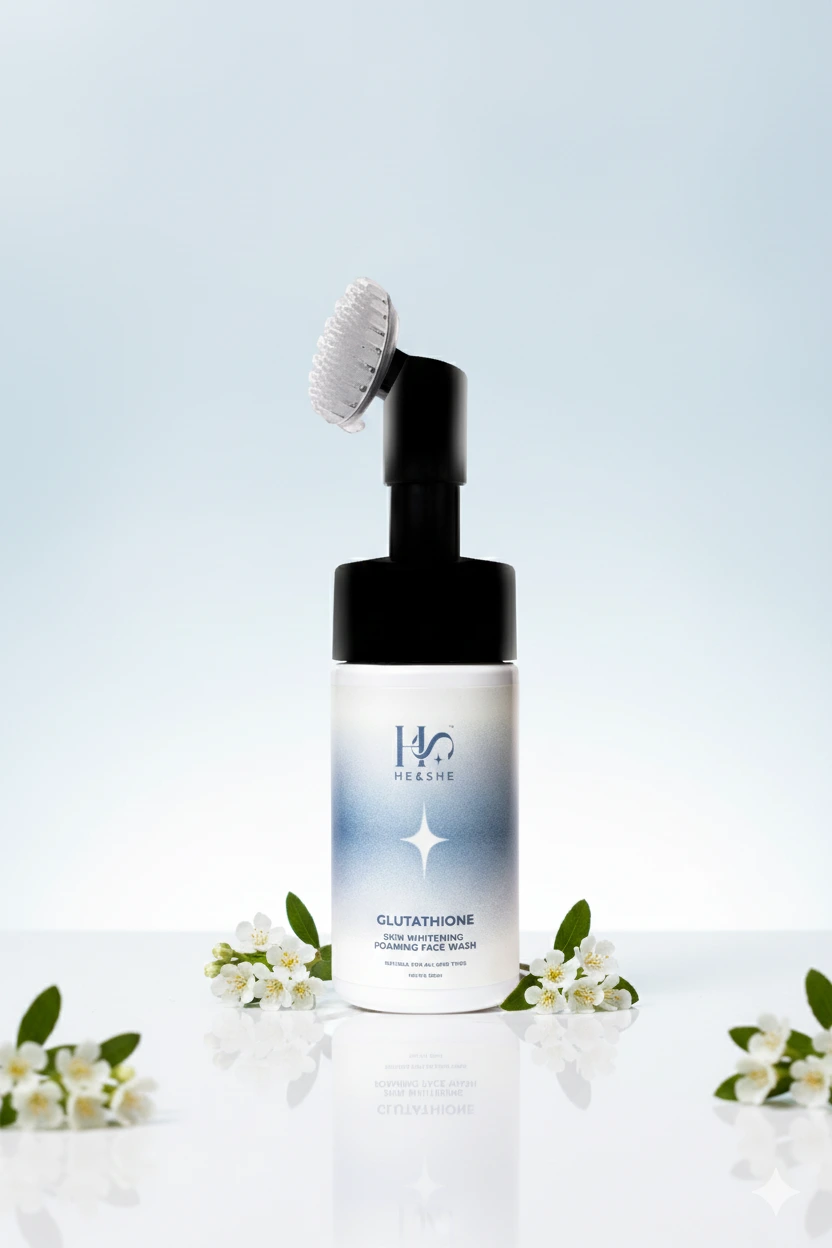
If your face starts shining like a mirror just a few hours after washing, welcome to the oily skin club. You’re not alone and in 2026, the good news is that skincare has seriously leveled up. Gone are the days when oily skin meant harsh soaps and squeaky-clean faces that felt tighter than a drum. Today, the best face wash for oily skin in 2026 focuses on balance, barrier repair, and smart oil control.
Let’s break it all down in simple, real-talk terms so you can finally choose a face wash that actually works.
Understanding Oily Skin in 2026
What Causes Excess Oil Production?
Oily skin happens when your sebaceous glands go into overdrive and produce excess sebum. Think of sebum as your skin’s natural moisturizer great in moderation, chaotic in excess. Genetics, hormones, stress, climate, diet, and even over-cleansing can push oil production into high gear.
Common Problems Faced by Oily Skin
Acne & Breakouts
Too much oil + dead skin + bacteria = clogged pores and breakouts. It’s like a traffic jam under your skin.
Enlarged Pores
Excess oil stretches pores over time, making them more visible especially around the nose and cheeks.
Constant Shine
That midday grease slick? Yeah, that’s oily skin saying hello… again.
Why Choosing the Right Face Wash Matters
Role of a Face Wash in Oil Control
A good face wash doesn’t strip your skin. Instead, it removes excess oil, dirt, and pollutants while keeping your skin barrier happy. When you strip too much oil, your skin panics and produces even more talk about irony.
Face Wash vs Cleanser – Is There a Difference?
In 2026, the line is blurry. Most modern face washes are gentle cleansers. The key is choosing one labeled non-comedogenic, pH-balanced, and oil-control focused.
Key Ingredients to Look for in a Face Wash for Oily Skin
Salicylic Acid
The MVP for oily skin. It penetrates deep into pores, dissolving oil and preventing breakouts.
Niacinamide
Controls oil, minimizes pores, and strengthens the skin barrier basically a multitasking genius.
Tea Tree Oil
Naturally antibacterial and great for acne-prone oily skin when used in balanced formulations.
Charcoal & Clay
These act like magnets, pulling out impurities and excess oil without overdrying.
Gentle Surfactants
Look for amino acid-based or coconut-derived cleansers that clean without damage.
Ingredients to Avoid If You Have Oily Skin
Harsh Sulfates
They over-clean, strip natural oils, and trigger rebound oil production.
Alcohol-Based Formulas
They give a temporary matte look but damage your skin barrier long-term.
Heavy Oils & Comedogenic Ingredients
These clog pores and worsen breakouts.
Best Face Wash for Oily Skin in 2026 – Expert Picks
Best Overall Face Wash
A gel-based, salicylic acid + niacinamide face wash with a pH of 5.5–6.0. Balanced, effective, and barrier-friendly.
Best Face Wash for Acne-Prone Oily Skin
Look for a face wash with 2% salicylic acid, zinc, and soothing agents like aloe or centella.
Best Gentle Face Wash for Sensitive Oily Skin
Fragrance-free, sulfate-free, and microbiome-safe formulas are trending big in 2026.
Best Budget-Friendly Option
Affordable doesn’t mean ineffective. Simple gel cleansers with minimal ingredients work beautifully.
Best Natural Face Wash for Oily Skin
Tea tree, green tea, and clay-based formulas with no essential oil overload.
Dermatologist-Recommended Face Wash Trends in 2026
Skin Barrier-Friendly Formulas
The focus is no longer “oil-free” but “oil-smart.”
pH-Balanced Cleansers
Healthy skin starts with the right pH. Period.
Microbiome-Safe Face Washes
Protecting good bacteria is the new skincare gold standard.
How to Use Face Wash Correctly for Oily Skin
How Often Should You Wash Your Face?
Twice a day. No more, no less.
Morning vs Night Cleansing Routine
Morning removes overnight oil buildup. Night removes pollution, sunscreen, and makeup.
Common Cleansing Mistakes to Avoid
Hot water, harsh scrubbing, and over washing big no-nos.
Face Wash Routine for Oily Skin (Step-by-Step)
Morning Routine
Cleanse → Lightweight moisturizer → Gel sunscreen
Evening Routine
Cleanse → Treatment serum → Oil-free moisturizer
Face Wash Myths About Oily Skin
Washing More Reduces Oil – True or False?
False. It does the opposite.
Oily Skin Doesn’t Need Moisturizer
Biggest myth ever. Dehydrated skin produces more oil.
How Climate & Lifestyle Affect Oily Skin in 2026
Pollution & Blue Light Exposure
These increase oxidative stress, leading to more oil and breakouts.
Diet, Stress & Hormones
High sugar, stress, and hormonal imbalances can spike oil production.
How to Choose the Best Face Wash for Your Skin Type
Oily + Acne-Prone
Salicylic acid + soothing ingredients.
Oily + Sensitive
Minimal ingredients, fragrance-free formulas.
Oily + Combination Skin
Gel cleansers that balance without overdying dry areas.
Natural vs Chemical Face Wash – What’s Better?
Pros & Cons of Natural Face Wash
Gentle but sometimes less effective for acne.
Pros & Cons of Chemical-Based Face Wash
More targeted and results-driven when used correctly.
Signs You’re Using the Wrong Face Wash
Tightness & Dry Patches
Your skin barrier is crying for help.
Increased Breakouts
Clogged pores or irritation.
Excess Oil After Washing
Rebound oil production.
Expert Tips to Control Oily Skin Beyond Face Wash
Use Lightweight Moisturizers
Gel or water-based formulas work best.
Don’t Skip Sunscreen
Oil-free sunscreens are a must.
Weekly Exfoliation
Once or twice a week is enough.
Conclusion
Finding the best face wash for oily skin in 2026 isn’t about stripping oil it’s about balance. Choose smart ingredients, respect your skin barrier, and stick to a simple routine. When your face wash works with your skin instead of against it, oily skin becomes manageable, healthy, and glow-worthy (without the grease).
FAQs
- Can oily skin change over time?
Yes, hormones, age, and lifestyle can shift your skin type. - Is foaming face wash good for oily skin?
Yes, as long as it’s sulfate-free and gentle. - Should oily skin use salicylic acid daily?
Most people can, but sensitive skin should start slow. - Can oily skin be dehydrated?
Absolutely and it often is. - How long does a face wash take to show results?
Usually 2–4 weeks with consistent use.