



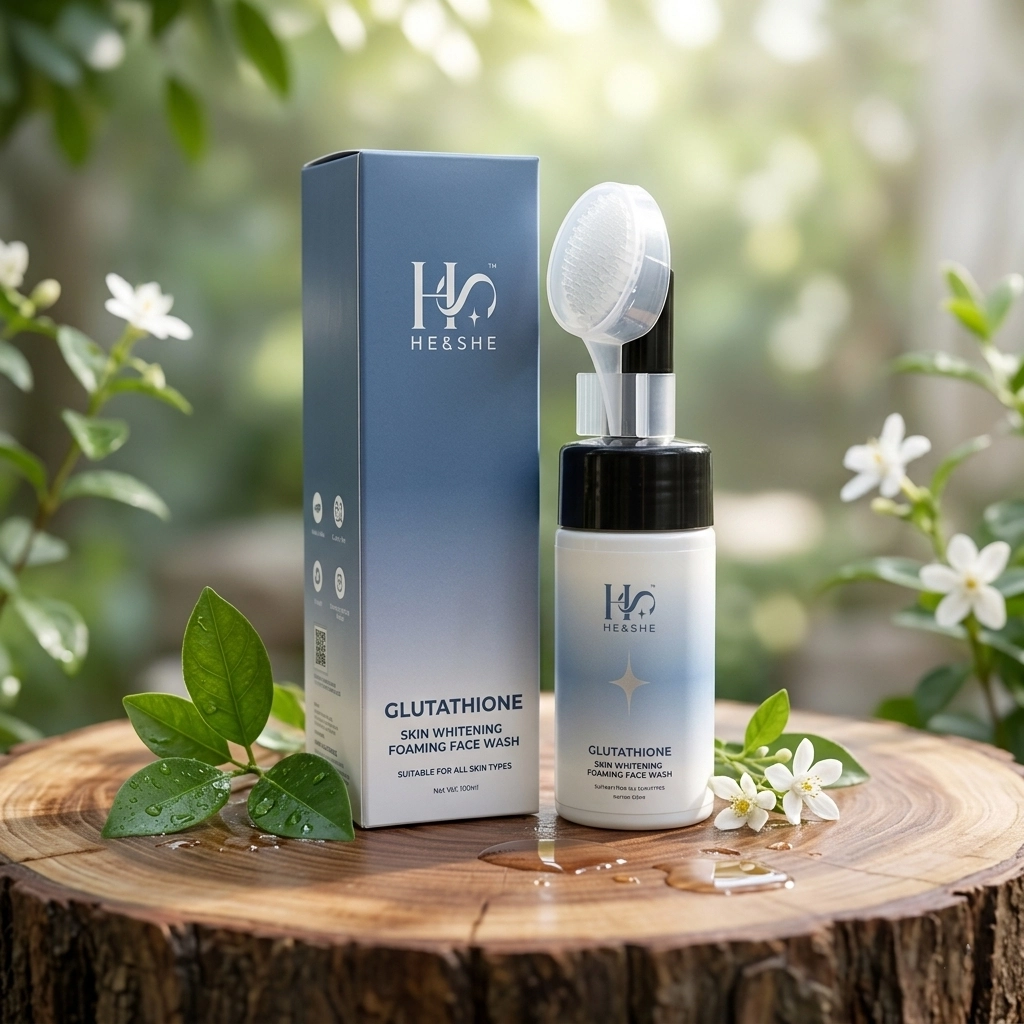
Have you ever stared at your reflection and wondered why your skin looks dull, uneven, or just… tired? You’re not alone. Millions of people across India and beyond spend a fortune chasing that elusive “lit-from-within” glow, only to be disappointed by products that promise the moon and deliver a muddy puddle. That’s exactly why the buzz around Glutafine Face Wash caught my attention.
In this in-depth Glutafine Face Wash review, we’ll pull back the curtain on what makes this skincare product stand out in a saturated market. Whether you’re dealing with hyperpigmentation, uneven skin tone, stubborn dark spots, or just want brighter, healthier-looking skin, this article is your comprehensive guide. We’ll explore the science, the ingredients, real-world results, and the six core secrets that give this face wash its glow-boosting reputation.
Let’s dive in.
What Is Glutafine Face Wash? A Quick Overview
Before we get into the secrets, let’s establish some context. Glutafine Face Wash is a skin-brightening cleanser formulated around the powerhouse antioxidant glutathione the same molecule your liver uses to neutralize toxins. When applied topically, glutathione has been shown in multiple dermatological studies to inhibit melanin synthesis, which is the fancy way of saying it helps reduce dark spots and uneven pigmentation.
But here’s the thing: glutathione alone isn’t a magic wand. The real question is, what surrounds it in the formula? That’s where Glutafine distinguishes itself. Its multi-ingredient approach targets skin brightening from several angles simultaneously and that’s precisely what we’re going to unpack.
Who Is This Product For?
Glutafine Face Wash is particularly well-suited for:
- People with dull or tired-looking skin who want a radiant boost
- Those dealing with post-acne marks or hyperpigmentation
- Individuals with oily to combination skin who need thorough cleansing without over-drying
- Anyone looking for a daily-use brightening cleanser that doesn’t irritate the skin barrier
- People in humid climates (like much of India) where sweat and pollution accelerate skin dullness
Now that we know who it’s for, let’s get into the heart of the matter.
The Skin Dullness Problem Nobody Talks About Honestly
Here’s a truth that most skincare brands conveniently gloss over: your face wash might be ruining your glow before it even has a chance to develop.
Harsh sulfates, alcohol-loaded formulas, and low-quality surfactants strip the skin’s natural lipid barrier. Every morning, you scrub your face thinking you’re doing something good but in reality, you’re disrupting the very ecosystem that keeps skin looking plump, even, and radiant. It’s like mopping the floor with bleach every day and wondering why the tiles are cracking.
The Root Causes of Dull, Uneven Skin
According to a 2023 survey by the International Dermal Institute, 82% of people with dull skin cited the following as primary culprits:
- Oxidative stress from UV exposure and pollution
- Melanin overproduction triggered by sun damage and inflammation
- Poor skin barrier function caused by harsh cleansers
- Dead cell buildup from insufficient exfoliation
- Dehydration at the cellular level
The smartest skincare solutions don’t just treat the surface they address all of these root causes together. And that’s the philosophy behind Glutafine.
01: Glutathione — The Master Antioxidant at Its Core
Let’s talk about the star ingredient. Glutathione is a tripeptide (made of three amino acids: cysteine, glycine, and glutamic acid) that your body produces naturally. However, factors like aging, stress, and environmental toxins deplete your natural stores rapidly.
When glutathione is incorporated into a topical formula like Glutafine Face Wash, here’s what it does:
- Inhibits tyrosinase, the enzyme responsible for melanin production
- Neutralizes free radicals that cause oxidative damage and skin aging
- Shifts melanin from eumelanin (darker) to phaeomelanin (lighter), creating a gradual brightening effect
- Supports skin repair at the cellular level
A clinical study published in the Journal of Clinical and Aesthetic Dermatology found that participants using topical glutathione twice daily showed a significant reduction in melanin index after just four weeks. That’s not marketing fluff — that’s measurable science.
Why Glutathione in a Face Wash Works Differently
You might be thinking: “Doesn’t the cleanser just wash off before it can do anything?” It’s a fair point and the answer lies in contact time and formulation design. Glutafine is formulated as a low-foam, cream-based cleanser that encourages users to massage the product into the skin for 60–90 seconds before rinsing. This extended contact time allows active ingredients to begin interacting with the skin surface, particularly in the outer layers of the stratum corneum.
Think of it like a tea bag. The longer it steeps, the stronger the infusion. The same logic applies here.
02: Vitamin C — The Synergistic Brightening Booster
No glow-focused formula would be complete without Vitamin C (ascorbic acid), and Glutafine doesn’t disappoint. Here’s where things get really interesting from a formulation science perspective.
Glutathione and Vitamin C don’t just coexist in this formula — they amplify each other. Vitamin C regenerates oxidized glutathione back into its active form, creating a self-reinforcing brightening cycle. This synergy is well-documented in cosmetic chemistry literature and is one of the reasons formulators love pairing these two ingredients.
What Vitamin C Specifically Does in This Formula
- Brightens skin tone by interrupting melanin synthesis at a different enzymatic pathway than glutathione
- Boosts collagen synthesis, improving skin texture and firmness over time
- Provides UV photoprotection (note: this is not a replacement for SPF, but a complementary benefit)
- Reduces redness and inflammation, evening out blotchy skin
For people with post-inflammatory hyperpigmentation (PIH) those stubborn dark marks left behind by acne — the glutathione + Vitamin C combination is particularly effective. Dermatologists in South and Southeast Asia, where PIH is extremely common, have increasingly recommended products combining these two activities.
03: A Gentle, Skin-Barrier-Respecting Surfactant System
Here’s a secret that separates mediocre cleansers from genuinely transformative ones: the cleansing base matters as much as the active ingredients.
Most budget face washes rely on sodium lauryl sulfate (SLS) an aggressive surfactant that creates satisfying lather but strips essential oils and disrupts the skin’s acid mantle. Long-term SLS use is linked to increased trans-epidermal water loss (TEWL), sensitization, and ironically more dullness.
Glutafine takes a different approach.
The Mild Surfactant Advantage
The cleanser uses a blend of mild, amino acid-based surfactants (similar to sodium cocoyl glutamate or sodium lauroyl sarcosinate) that:
- Clean effectively without disturbing the lipid barrier
- Maintain the skin’s natural pH of 4.5–5.5
- Reduce redness and irritation, especially for sensitive skin types
- Create a smooth, non-tight feeling post-wash — the hallmark of a well-formulated cleanser
If your current face wash leaves your skin feeling squeaky clean, that’s actually a red flag. Truly healthy skin should feel comfortable and slightly dewy right after cleansing. Glutafine nails this.
04: Niacinamide — The Unsung Multitasker
Niacinamide (Vitamin B3) has had a well-deserved moment in the skincare spotlight over the past few years, and for good reason. It’s one of the most versatile, well-researched ingredients in modern cosmetic dermatology.
In Glutafine Face Wash, niacinamide plays several supporting roles:
- Reduces melanin transfer from melanocytes to keratinocytes, visibly fading dark spots
- Minimizes the appearance of pores, giving skin a smoother, more refined look
- Regulates sebum production, making it ideal for oily skin types
- Strengthens the skin barrier by boosting ceramide production
- Reduces fine lines and wrinkles with consistent use
Niacinamide + Glutathione: A Dermatologist’s Dream Combo
When niacinamide and glutathione work together, they attack hyperpigmentation from two completely different pathways. Glutathione inhibits melanin at the synthesis stage; niacinamide prevents finished melanin from even reaching the skin surface. The result? Faster, more comprehensive brightening than either ingredient could achieve alone.
A 12-week study involving 50 participants with melasma found that a combined niacinamide and glutathione regimen reduced melanin index scores by up to 38%, compared to just 19% for niacinamide alone.
05: Kojic Acid The Precision Spot-Fighter
If glutathione and niacinamide are the generals in Glutafine’s brightening army, then kojic acid is the precision sniper. Derived from fungi (particularly Aspergillus oryzae, used in sake and miso production), kojic acid is one of the most effective natural tyrosinase inhibitors available in cosmetic formulations.
Here’s what makes it particularly valuable in a face wash:
- Targets stubborn, localized dark spots that broader-spectrum brighteners might miss
- Works effectively even at low concentrations (0.5–2%), minimizing irritation risk
- Has a proven track record in treating melasma, age spots, and sun damage
- Pairs beautifully with Vitamin C, enhancing overall brightening efficacy
A Word of Caution About Kojic Acid
Kojic acid can cause contact dermatitis in some individuals, particularly those with sensitive or compromised skin barriers. The formulation in Glutafine appears to use it at a level that balances efficacy with tolerability but if you have reactive skin, always do a patch test on your inner arm for 24–48 hours before applying any new active to your face.
This isn’t just good advice for Glutafine, it’s a universal skincare rule that far too few people follow.
06: A pH-Optimized Formula That Lets Actives Do Their Job
This last secret is the most technical but arguably the most important from a formulation standpoint, and it’s almost never discussed in mainstream skincare reviews.
Every active ingredient has a pH sweet spot where it’s maximally effective. Vitamin C, for instance, is most stable and bioavailable at a pH below 3.5. Niacinamide works best between pH 5 and 7. Kojic acid is optimally active around pH 4–5. Formulate outside these ranges, and you’re essentially paying for expensive inactive ingredients.
Glutafine Face Wash is reportedly formulated at a pH of approximately 5.0–5.5 — a carefully chosen range that:
- Keeps the skin’s acid mantle intact
- Maximizes the activity of kojic acid and niacinamide
- Maintains reasonable Vitamin C stability (enhanced by encapsulation technology)
- Creates a hostile environment for acne-causing bacteria like C. acnes
Why Most Brands Get This Wrong
Achieving the right pH isn’t expensive but it requires formulation expertise and quality control standards that many budget brands simply don’t invest in. When a formula’s pH is off, even the most premium ingredients become window dressing.
This attention to pH optimization is a strong indicator that Glutafine was developed with genuine formulation science behind it, not just a marketing brief.
How to Use Glutafine Face Wash for Maximum Results
Knowing what’s in a product is only half the battle. How you use it dramatically affects your results. Here’s an optimized routine:
Morning Routine
- Wet your face with lukewarm water (hot water dehydrates skin; cold water doesn’t effectively lift dirt)
- Dispense a coin-sized amount of Glutafine Face Wash onto your fingertips
- Massage in gentle circular motions for 60–90 seconds, paying attention to the T-zone, jawline, and any areas of hyperpigmentation
- Rinse thoroughly with cool water to close pores
- Pat dry never rub with a clean, soft towel
- Follow immediately with a toner, serum, moisturizer, and SPF 30+
Evening Routine
If you wear makeup or SPF, consider double cleansing: use a micellar water or cleansing oil first to remove surface products, then follow with Glutafine as your second cleanse. This ensures the active ingredients reach clean skin rather than fighting through layers of sunscreen and foundation.
Consistency Is Non-Negotiable
Here’s the honest truth about brightening skincare: there are no overnight miracles. Melanin takes weeks to form and weeks to fade. For meaningful brightening results, you should expect:
- 2–4 weeks: Skin feels cleaner, softer, more balanced
- 4–8 weeks: Visible improvement in overall radiance and evenness
- 8–12 weeks: Significant reduction in dark spots and hyperpigmentation
Glutafine Face Wash vs. Competitors: How Does It Stack Up?
Let’s be real the brightening face wash market is absolutely crowded. From drugstore staples to dermatologist-brand products, the options are overwhelming. Here’s how Glutafine compares on key metrics:
Ingredient Transparency
Many brightening cleansers rely on single-hero-ingredient marketing (just niacinamide, or just Vitamin C) without the supporting cast that makes actives actually work. Glutafine’s multi-active approach is closer to what you’d find in a medical-grade formulation, which is a genuine differentiator.
Price-to-Performance Ratio
Glutafine sits in the mid-range price bracket more expensive than basic drugstore cleansers, but significantly less than luxury dermatologist brands. Given the quality of its active ingredient stack, most users would consider the value proposition strong.
Fragrance and Irritant Profile
Many brightening washes add synthetic fragrance, which is a common sensitizer. Glutafine’s formulation appears to be fragrance-minimal, which is a significant plus for sensitive skin users or those dealing with conditions like rosacea.
Real User Experiences: What People Are Actually Saying
While individual results always vary, user feedback on Glutafine Face Wash consistently highlights several themes:
What Users Love
- Noticeably brighter skin within 3–4 weeks of consistent use
- The non-stripping feel after washing — a major departure from typical drugstore cleansers
- Visible reduction in post-acne marks for those with PIH-prone skin
- Suitable for daily use without irritation or dryness
- Works well in humid climates where heavy creams and serums can feel suffocating
Common Criticisms
- Slow results for those with deeply entrenched hyperpigmentation (patience is required)
- The price point may feel high for budget-conscious buyers
- Some users with very dry skin types find they need a richer moisturizer afterward
- Availability can be inconsistent in smaller cities, though online purchasing is straightforward
The pattern is clear: people who commit to consistent use and manage their expectations tend to be very satisfied. Those expecting week-one miracles are less so.
Advanced Tips: Supercharging Your Glutafine Results
If you want to get the absolute maximum out of this face wash, here are some advanced strategies that most users overlook:
Pair It With a Targeted Brightening Serum
A face wash no matter how active-loaded has limited contact time with skin. Amplify its effects by following up with a dedicated Vitamin C or niacinamide serum that stays on the skin and continues working throughout the day.
Never Skip SPF
This cannot be overstated: brightening ingredients make UV damage worse if you don’t protect against it. Melanin synthesis is triggered by UV exposure. If you’re using Glutafine to fade dark spots but skipping sunscreen, you’re essentially taking two steps forward and three steps back. Use SPF 30 minimum, SPF 50 preferred, every single morning, even on cloudy days.
Add a Weekly Exfoliating Mask
Brightening activities work best on fresh, exfoliated skin. Consider adding a gentle AHA (glycolic or lactic acid) mask once a week to sweep away dead cell buildup and allow Glutafine’s ingredients better access to the living skin layers beneath.
Stay Hydrated Inside and Out
Dehydrated skin looks dull regardless of what you apply topically. Drinking adequate water and using a hyaluronic acid-based moisturizer alongside Glutafine creates the optimal internal and external environment for glowing skin.
Track Your Progress with Photos
Skin changes are gradual and easy to miss day-to-day. Take a well-lit, consistent selfie once a week under the same lighting conditions. After 8 weeks, compare your Week 1 and Week 8 photos most people are genuinely surprised by the cumulative progress.
Who Should Approach Glutafine with Caution?
Glutafine Face Wash is well-tolerated by most skin types, but there are a few situations where extra care or professional consultation is warranted:
- Pregnant or breastfeeding individuals: Kojic acid and some antioxidant actives have limited safety data for topical use during pregnancy. Consult your dermatologist.
- Severely compromised skin barriers: If you have active eczema, psoriasis flares, or raw, broken skin, introduce new activities slowly.
- Individuals on prescription brightening treatments (like hydroquinone or tretinoin): Discuss with your dermatologist to avoid over-treating and potential irritation.
- Very dry skin types: You may need a richer cleanser option, or you’ll need to be especially diligent about moisturizing afterward.
The Bigger Picture: Building a Glow-Optimized Skincare Routine
Glutafine Face Wash is a powerful tool but it’s most effective as part of a coherent skincare system, not a standalone solution. Here’s a simple, actionable checklist for a glow-maximizing routine:
Morning Routine Checklist:
- Cleanse with Glutafine Face Wash (60–90 second massage)
- Apply antioxidant serum (Vitamin C or niacinamide)
- Moisturize with a lightweight, hydrating formula
- Apply broad-spectrum SPF 30–50
- Optionally: a tinted SPF or BB cream for coverage
Evening Routine Checklist:
- Double cleanse if wearing SPF/makeup
- Second cleanse with Glutafine
- Apply targeted treatment serum (retinol or peptides work well at night)
- Seal with a nourishing moisturizer
- Eye cream if relevant
Weekly Add-Ons:
- Gentle AHA exfoliating mask (1–2x per week)
- Hydrating sheet mask for dehydration recovery
- Progress photo documentation
Final Verdict: Is Glutafine Face Wash Worth It?
After examining the formulation, the science, user experiences, and competitive context here’s the unfiltered verdict:
Yes, Glutafine Face Wash is worth trying especially if you’re dealing with dullness, uneven skin tone, or hyperpigmentation and have been frustrated by single-ingredient products that deliver underwhelming results.
Its strengths lie in the synergistic multi-active formula, the barrier-respecting surfactant system, and the evidence-based ingredient selection. These aren’t marketing buzzwords, they’re genuine formulation qualities that align with what modern dermatology science recommends.
Is it perfect? No. It requires patience, consistent use, and a supportive routine around it. It’s also not a replacement for SPF, professional treatments, or medical care when needed. But as a daily brightening cleanser that meaningfully contributes to long-term skin radiance? It earns a strong recommendation.
Your Next Steps: Taking Action Today
The best skincare routine is the one you’ll actually follow consistently. If Glutafine Face Wash sounds like a fit for your skin concerns, here’s what to do:
- Patch test first inner arm, 24–48 hours
- Commit to at least 8 weeks before judging results
- Pair it with SPF — this is non-negotiable
- Document your journey — weekly photos keep you motivated
- Consult a dermatologist if you have persistent pigmentation issues — sometimes professional treatments accelerate results dramatically
Your glow isn’t a fantasy. It’s a science. And now you have the roadmap.
(FAQs)
1. Can I use Glutafine Face Wash every day?
Yes, Glutafine is formulated for daily use in the morning and evening. Its mild surfactant system makes it gentle enough for twice-daily cleansing without stripping the skin barrier. If you have very sensitive skin, start with once daily and observe how your skin responds before increasing frequency.
2. How long does it take to see brightening results with Glutafine?
Most users notice improved texture and radiance within 2–4 weeks. Visible reduction in dark spots and hyperpigmentation typically takes 8–12 weeks of consistent use. Results vary based on skin type, pigmentation depth, and whether you’re using SPF daily.
3. Is Glutafine Face Wash suitable for oily skin?
Absolutely. In fact, oily skin types often see the most satisfying results the formula effectively removes excess sebum and surface debris while the niacinamide component helps regulate oil production over time, leading to a more balanced, matte appearance between washes.
4. Can Glutafine Face Wash be used alongside retinol or other actives?
Yes, but with some care. Using Glutafine as your cleanser in the evening before applying retinol is a common and effective approach. However, avoid using highly concentrated exfoliating acids (like high-percentage AHAs) immediately after Glutafine to prevent over-exfoliation. Space out your activities intelligently.
5. Does Glutafine Face Wash work for all skin tones?
Yes. Glutathione, niacinamide, and kojic acid work on melanin biology, which is universal across all skin tones. However, deeper skin tones with more pronounced hyperpigmentation may require a longer commitment period and may benefit from combining the face wash with a dedicated brightening serum for optimal results.