



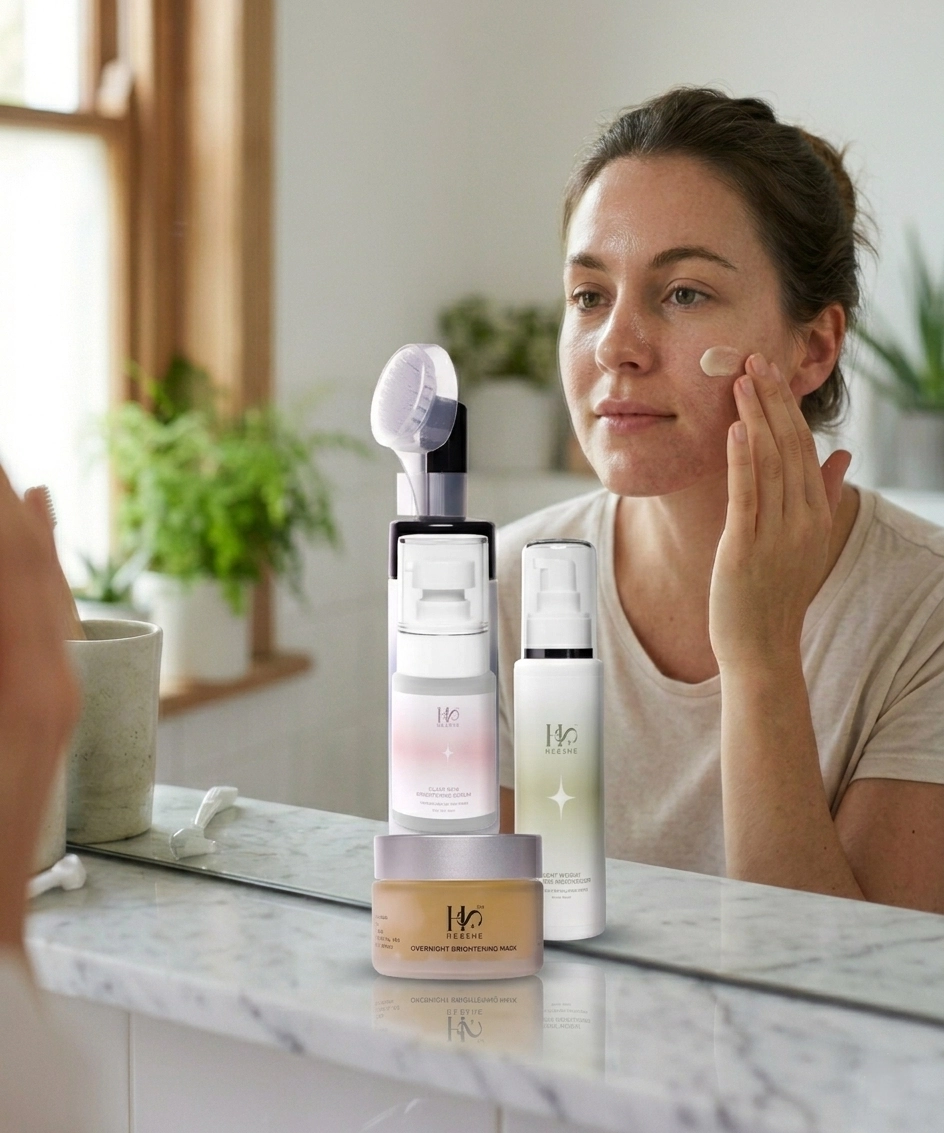
Understanding Combination Skin
What Makes Combination Skin Unique?
Combining skin is like having two different personalities on your face. One part, usually the T-zone (forehead, nose, and chin) tends to be oily and shiny, while the cheeks and jawline can feel dry, flaky, or even tight. This dual nature makes skincare tricky because what works for oily skin might worsen dryness, and what hydrates dry areas might clog pores in oily zones.
If you’ve ever felt confused standing in the skincare aisle wondering whether to pick a gel or a cream, you’re not alone. According to dermatology insights, nearly 40–50% of people globally have combination skin, making it one of the most common yet misunderstood skin types. The challenge lies in maintaining balance. Too much oil control can strip hydration, while too much moisture can lead to breakouts.
The key is not to treat your face as one uniform surface but to use products that adapt. Think of it like climate control in a smart home. Different zones need different settings, but one intelligent system can manage both efficiently.
Common Problems: Oily T-Zone & Dry Cheeks
People with combination skin often deal with frustrating issues like midday shine, enlarged pores, acne in oily areas, and rough texture on dry patches. It’s not uncommon to experience breakouts and flakiness at the same time, which feels completely contradictory.
The T-zone produces excess sebum, leading to clogged pores and acne, while dry areas lack moisture and can become sensitive. Environmental factors like pollution, harsh weather, and even over-cleansing worsen the imbalance. Using the wrong moisturizer can amplify these problems instead of solving them.
That’s why finding the right moisturizer isn’t optional—it’s essential. A well-formulated moisturizer acts as a bridge, bringing harmony between oil control and hydration, helping your skin feel comfortable, smooth, and healthy throughout the day.
Why Choosing the Right Moisturizer Matters
Balancing Hydration Without Greasiness
A good moisturizer for combination skin should feel like a lightweight hug not suffocating, not too loose, just right. The goal is to hydrate dry areas while regulating oil production in the T-zone. Sounds simple, but it’s all about the formulation.
Heavy creams can clog pores and make oily areas worse, while ultra-light lotions might not provide enough hydration for dry patches. The sweet spot lies in oil-free, non-comedogenic, and lightweight formulas that absorb quickly without leaving residue.
When your skin is properly hydrated, it actually produces less oil. That’s right many people experience oiliness because their skin is dehydrated and overcompensating. So instead of skipping moisturizer, choosing the right one can reduce shine naturally.
Ingredients to Look For
Certain ingredients are like superheroes for combination skin. They multitask, balancing hydration and oil control simultaneously.
- Hyaluronic Acid: Deep hydration without heaviness
- Niacinamide: Controls oil and minimizes pores
- Aloe Vera: Soothes and hydrates
- Ceramides: Strengthen skin barrier
- Glycerin: Lightweight moisture retention
These ingredients work together to maintain equilibrium, ensuring your skin doesn’t swing too far in either direction.
Ingredients to Avoid
Some ingredients can disrupt your skin’s balance and should be used cautiously:
- Heavy oils like coconut oil
- Alcohol-based formulas that dry out skin
- Fragrance-heavy products that irritate sensitive areas
Avoiding these helps prevent breakouts, irritation, and uneven texture.
How We Selected the Best Moisturizers
Criteria: Texture, Ingredients, Results
Not all moisturizers are created equal, especially for combination skin. The products selected here are based on a few key factors: lightweight texture, balanced formulation, proven ingredients, and real-world performance.
We focused on moisturizers that absorb quickly, don’t leave a greasy film, and provide lasting hydration. Products that include multitasking ingredients like niacinamide and hyaluronic acid were prioritized because they tackle multiple concerns at once.
User reviews, dermatologist recommendations, and ingredient transparency also played a major role in selection. The goal is simple: recommend products that actually work, not just promise results.
6 Best Moisturizers for Combination Skin
1. Lightweight Gel-Based Moisturizer
Key Benefits & Why It Works
Gel-based moisturizers are often considered the holy grail for combination skin. They are water-based, which means they hydrate deeply without adding oil. The texture is refreshing and absorbs almost instantly, making it ideal for humid climates or daytime use.
These moisturizers typically contain ingredients like hyaluronic acid and glycerin, which pull moisture into the skin without clogging pores. If your T-zone gets shiny by noon, this type of moisturizer can help reduce that greasy appearance while keeping dry areas soft.
Think of it like a glass of water for your skin light, refreshing, and essential.
2. Oil-Free Hydrating Cream
Key Benefits & Why It Works
Oil-free creams strike a perfect balance between hydration and oil control. Unlike heavy creams, they provide moisture without a greasy finish. These are especially useful during colder months when dry patches become more prominent.
They often include lightweight emollients that smooth the skin while maintaining breathability. If your skin feels tight but still gets oily, this type of moisturizer can provide relief without triggering breakouts.
3. Niacinamide-Enriched Moisturizer
Key Benefits & Why It Works
Niacinamide is a powerhouse ingredient for combination skin. It regulates oil production, reduces redness, and improves skin texture. A moisturizer enriched with niacinamide can visibly minimize pores and control shine over time.
It also strengthens the skin barrier, making your skin more resilient to environmental stressors. This makes it perfect for people dealing with both acne and dryness simultaneously.
4. Hyaluronic Acid Moisturizer
Key Benefits & Why It Works
Hyaluronic acid is known for its ability to hold up to 1000 times its weight in water, making it one of the most effective hydrating ingredients available. For combination skin, it provides moisture exactly where needed without overwhelming oily areas.
It gives a plump, dewy look without feeling heavy, making it suitable for both day and night routines.
5. Aloe Vera Soothing Moisturizer
Key Benefits & Why It Works
Aloe vera is naturally soothing and hydrating, making it perfect for sensitive combination skin. It calms irritation, reduces redness, and provides lightweight hydration.
This type of moisturizer is especially beneficial if your skin reacts easily or feels inflamed. It’s like a cooling gel that refreshes your skin while maintaining balance.
6. Barrier-Repair Moisturizer
Key Benefits & Why It Works
Barrier-repair moisturizers focus on strengthening your skin’s natural defense system. They often contain ceramides and fatty acids that lock in moisture and protect against environmental damage.
If your skin feels both oily and dehydrated, this type of moisturizer helps restore balance from within, improving overall texture and resilience.
Comparison Table of Top Moisturizers
| Moisturizer Type | Best For | Key Ingredient | Texture | Ideal Use |
| Gel-Based | Oily T-zone | Hyaluronic Acid | Lightweight | Daytime |
| Oil-Free Cream | Dry patches | Glycerin | Smooth | All-day |
| Niacinamide | Acne-prone | Niacinamide | Light cream | Daily |
| Hyaluronic Acid | Dehydration | HA | Gel | Night |
| Aloe Vera | Sensitive skin | Aloe | Cooling gel | Summer |
| Barrier Repair | Damaged skin | Ceramides | Cream | Night |
How to Apply Moisturizer for Best Results
Applying moisturizer correctly is just as important as choosing the right one. Start with clean, slightly damp skin this helps lock in hydration more effectively. Use a pea-sized amount and gently massage it into your face using upward motions.
Focus on dry areas first, then lightly spread the remaining product over oily zones. Avoid over-applying, especially on the T-zone, as it can lead to excess shine. Consistency is key—use your moisturizer twice daily for best results.
Pro Tips to Fix Combination Skin Faster
Balancing combination skin isn’t just about one product it’s about your entire routine. Use a gentle cleanser that doesn’t strip natural oils. Incorporate a mild exfoliator 1–2 times a week to remove dead skin cells.
Consider using different products for different areas if needed. For example, a gel moisturizer for the T-zone and a cream for dry patches. Always follow up with sunscreen during the day to protect your skin.
Hydration, both internal and external, plays a huge role. Drinking enough water and maintaining a healthy diet can significantly improve your skin’s condition over time.
Conclusion
Finding the right moisturizer for combination skin can feel like solving a puzzle, but once you understand your skin’s needs, it becomes much easier. The key is balance hydrating dry areas without making oily zones worse.
The six moisturizers discussed here offer different approaches, from lightweight gels to barrier-repair creams, ensuring there’s something for everyone. With the right product and consistent care, achieving smooth, balanced, and healthy skin is absolutely possible.
FAQs
1. Can I use two different moisturizers for combination skin?
Yes, using different moisturizers for oily and dry areas can be very effective, especially if your skin has extreme variations.
2. How often should I moisturize combination skin?
Twice daily morning and night is ideal for maintaining balance and hydration.
3. Is gel or cream better for combination skin?
Gel works well for oily areas, while cream helps dry patches. A hybrid or lightweight cream is often the best choice.
4. Can moisturizer reduce oiliness?
Yes, proper hydration can signal your skin to produce less oil, reducing overall greasiness.
5. What is the best ingredient for combination skin?
Niacinamide and hyaluronic acid are among the best due to their balancing and hydrating properties.