



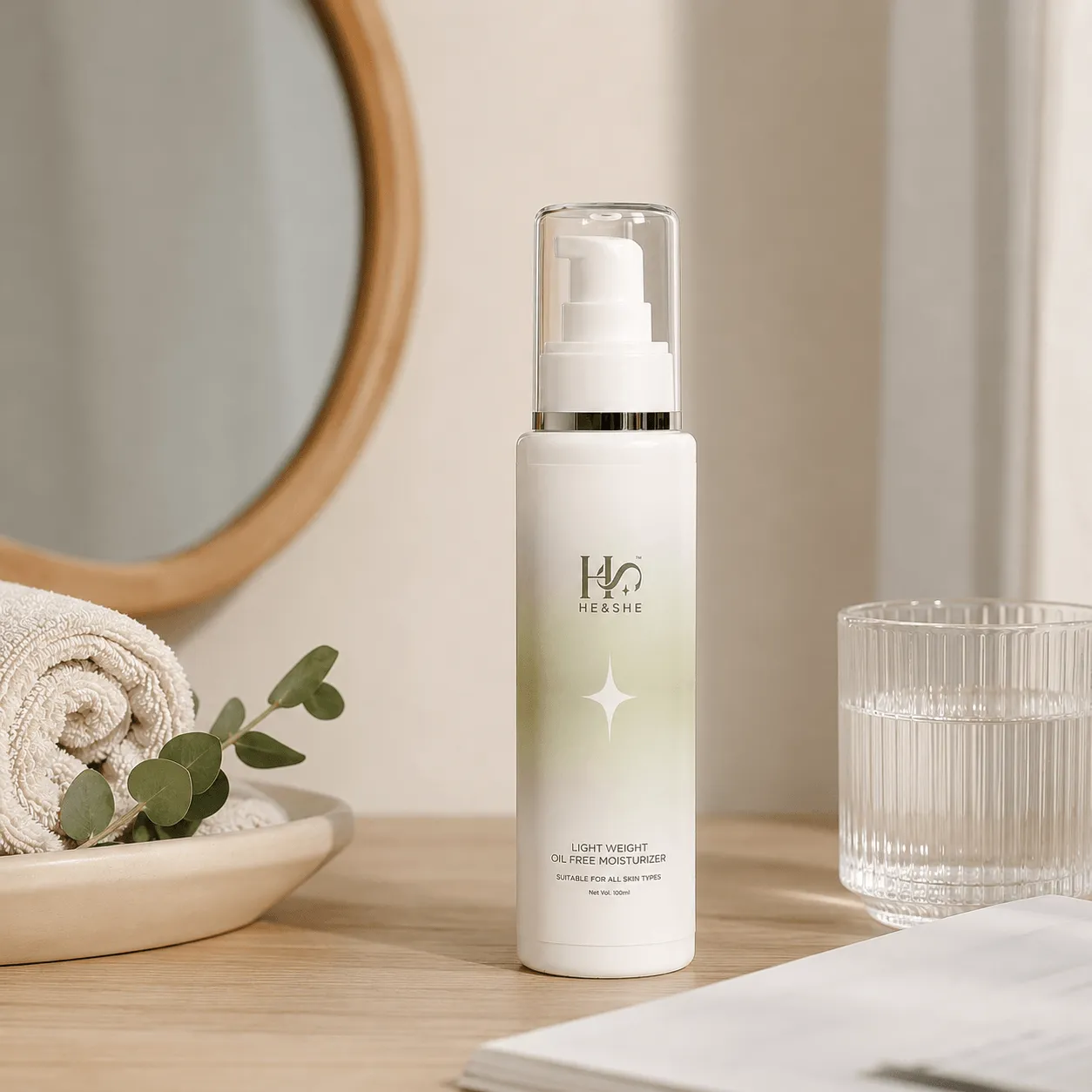
Introduction to Moisturizer and Skin Health
Moisturizer is one of those skincare steps that sounds simple, yet it completely changes how your skin behaves over time. Think of your skin like a living shield. It constantly fights pollution, sun exposure, and dryness from the environment. Without proper hydration, this shield starts cracking, making your skin look dull, rough, and tired. That’s exactly where moisturizer steps in like a repair crew that works 24/7.
Modern dermatology emphasizes that moisturizing is not optional; it is essential for maintaining a healthy skin barrier. According to dermatology-based skincare guidance, moisturizers help lock in water content and support the outer protective layer of the skin, preventing dryness and irritation . When used correctly, it doesn’t just make your skin feel soft; it actually strengthens long-term skin resilience.
The biggest mistake people make is thinking moisturizer is only for dry skin. In reality, every skin type is oily, combination, sensitive and needs hydration. The difference is just in texture and ingredients. Once you understand how your skin behaves, moisturizer becomes less of a guess and more of a science-backed habit.
1 – Understand Your Skin Type Before Moisturizing
Before you even open a moisturizer bottle, you need to understand your skin like you understand your own habits. Skin type is the foundation of everything. If you skip this step, even the most expensive cream in the world won’t give you results. Your skin type determines how much oil, water, and protection your skin naturally produces.
Dry skin usually feels tight and flaky because it lacks natural oils and hydration. It craves thick, nourishing creams that rebuild moisture quickly. Oily skin, on the other hand, produces excess sebum, so it needs lightweight formulas that hydrate without clogging pores. Combination skin behaves like two personalities at once oily in some areas and dry in others making balance extremely important.
Sensitive skin is another category that reacts quickly to fragrances, harsh chemicals, and even weather changes. It needs gentle, fragrance-free moisturizers that calm irritation instead of triggering it. Understanding this step is like reading a map before a journey; you can’t reach your destination without knowing where you’re starting.
2 – Choose the Right Type of Moisturizer
Now that you know your skin type, the next step is choosing the right moisturizer format. This is where most people get confused because shelves are full of creams, lotions, gels, balms, and serums. Each one has a different job, just like different tools in a toolbox.
Cream-based moisturizers are thick and rich, making them perfect for dry skin that needs deep nourishment. Lotions are lighter and absorb faster, making them suitable for normal to combination skin. Gel-based moisturizers are water-based and extremely lightweight, which makes them ideal for oily and acne-prone skin.
Ingredients matter just as much as texture. Dermatology experts often recommend looking for ingredients like ceramides, hyaluronic acid, glycerin, and niacinamide because they help restore moisture and strengthen the skin barrier . Think of ingredients as the fuel that powers your moisturizer without the right fuel, even the best texture won’t perform well.
3 – Cleanse Your Skin Properly
Moisturizer works best when it is applied to clean skin. Imagine trying to paint on a dusty wall the result will never be smooth. The same logic applies to your face. Cleansing removes dirt, oil, sweat, and leftover makeup so that your moisturizer can actually reach your skin instead of sitting on top of debris.
A gentle cleanser is always better than a harsh one because over-cleansing can strip your skin of natural oils. This leads to irritation and even more dryness, which defeats the purpose of moisturizing. Dermatologists recommend cleansing as the first step in any skincare routine, followed immediately by moisturizer for best results .
After cleansing, avoid completely drying your skin. A slightly damp face actually helps trap moisture better when moisturizer is applied. This simple habit can dramatically improve hydration levels over time.
4 – Apply Moisturizer on Damp Skin
This step is a game-changer, yet most people ignore it. Applying moisturizer on damp skin helps lock in hydration instead of letting it evaporate. It’s like sealing a bottle of water before it spills everywhere.
When your skin is slightly wet, it absorbs ingredients more effectively. This improves hydration and keeps your skin plump for longer periods. Dermatologists consistently highlight this technique as one of the most effective moisturizing methods because it improves moisture retention at a deeper level .
However, the mistake many people make is waiting too long after washing their face. If your skin becomes completely dry, you lose the benefit of moisture sealing. Timing is everything here, and applying moisturizer within a minute of cleansing makes a noticeable difference.
5 – Use the Right Amount and Technique
More moisturizer doesn’t always mean better results. In fact, over-applying can clog pores and leave your skin feeling greasy instead of fresh. The ideal amount is usually a pea-sized portion for the face, adjusted slightly based on skin needs.
Application technique is equally important. Instead of rubbing aggressively, gently massage the moisturizer into your skin using upward circular motions. This helps stimulate blood flow and prevents unnecessary stretching of the skin.
Think of your skin like delicate fabric. You wouldn’t scrub silk aggressively, so why treat your face differently? Patting and pressing motions help the product absorb better and reduce irritation.
6 – Morning vs Night Moisturizing Routine
Your skin behaves differently during the day and night, so your moisturizing routine should adapt accordingly. In the morning, your skin needs protection against sun exposure, pollution, and environmental stress. That’s why lightweight moisturizers with SPF are often recommended for daytime use.
At night, your skin enters repair mode. This is when you should use richer moisturizers that support regeneration and hydration recovery. Night creams often contain ingredients that repair the skin barrier while you sleep.
If you think about it, daytime moisturizer is like armor, while nighttime moisturizer is like repair therapy. Both are equally important, just serving different purposes.
7 – Enhance Moisturizing with Lifestyle Habits
Skincare doesn’t work in isolation. Your lifestyle plays a huge role in how your skin looks and feels. Drinking enough water, eating nutrient-rich food, and getting quality sleep all directly impact skin hydration.
Sun protection is another major factor. Even the best moisturizer cannot fully protect your skin from UV damage. That’s why sunscreen is considered a non-negotiable part of skincare routines today.
Healthy habits combined with good moisturizing create long-term skin transformation. Without them, even the best products can only do so much.
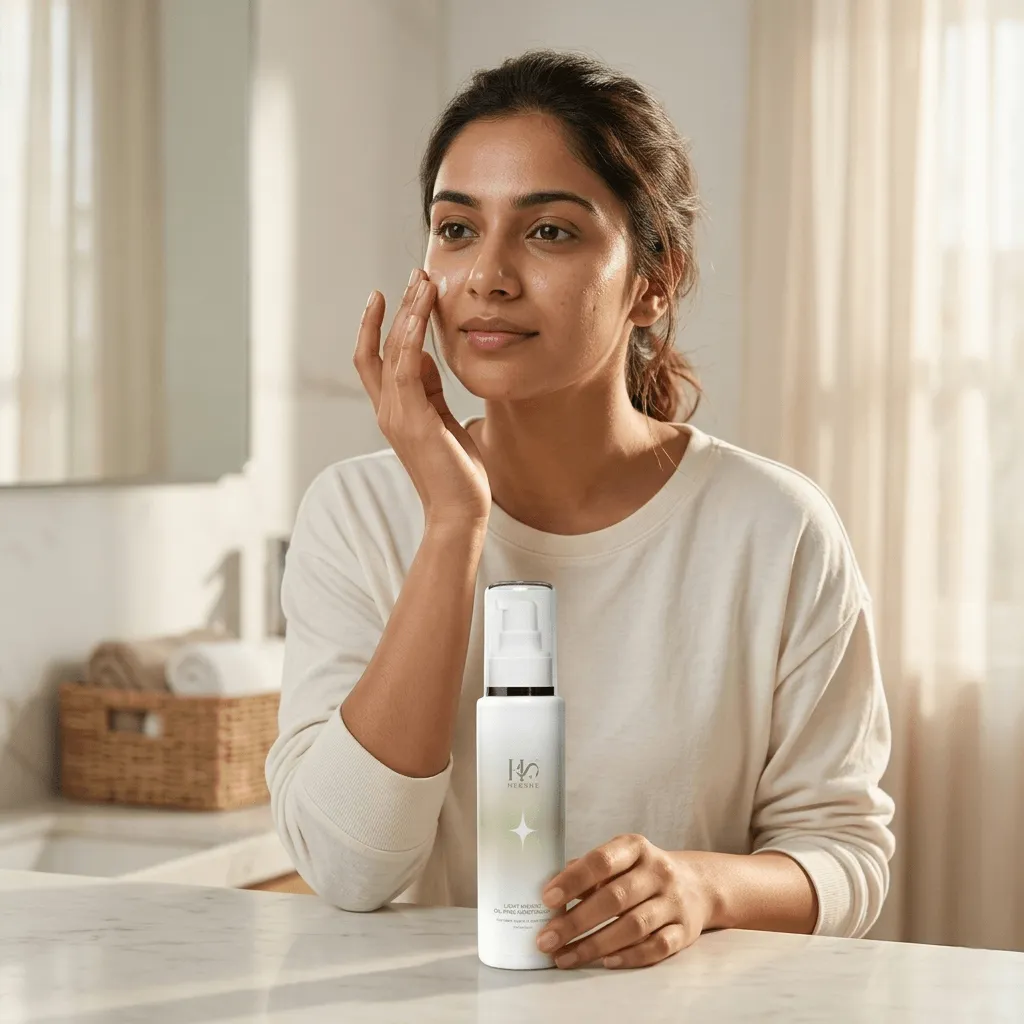
Expert Tips for Better Moisturizing Results
Dermatologists often suggest keeping skincare simple. Overloading your routine with too many products can confuse your skin and reduce effectiveness. Instead, focus on consistency rather than complexity.
Another important tip is to adjust your moisturizer based on seasons. Winter requires richer hydration, while summer calls for lighter formulas. Skin is dynamic, and your routine should reflect that.
Common Moisturizing Mistakes to Avoid
One of the biggest mistakes is skipping moisturizer in oily skin types. This actually causes more oil production because the skin tries to compensate for dehydration. Another mistake is applying moisturizer on dirty skin, which blocks absorption and causes breakouts.
Using too much product, choosing the wrong texture, and ignoring sunscreen are also common errors. Fixing these small habits can completely transform your skin health over time.
Conclusion
Moisturizing is not just a skincare step, it is a daily investment in your skin’s long-term health. When done correctly, it strengthens your skin barrier, improves hydration, and prevents early signs of aging. The key is understanding your skin, choosing the right product, and applying it consistently. Once you turn it into a habit, your skin starts responding in ways you can actually see and feel.
FAQs
1. How often should I use moisturizer?
Twice daily morning and night is ideal for most skin types.
2. Can oily skin skip moisturizer?
No, oily skin still needs hydration to balance sebum production.
3. Should I apply moisturizer before or after serum?
Always apply serum first, then lock it in with moisturizer.
4. What is the best time to apply moisturizer?
Right after cleansing, when skin is still slightly damp.
5. Can moisturizer reduce wrinkles?
It doesn’t erase wrinkles but helps prevent dryness and improves skin texture.