
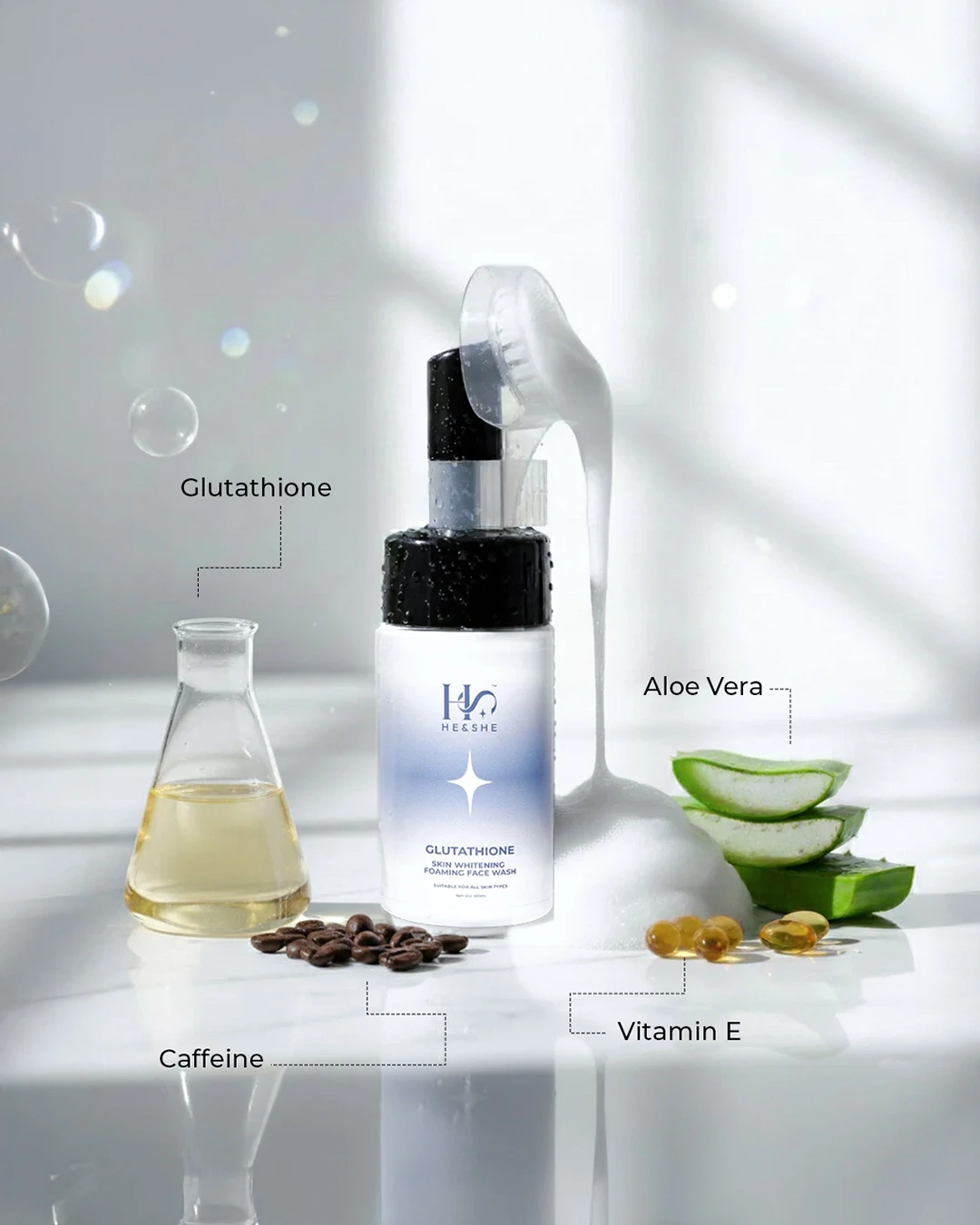
Are you struggling to choose between glutathione and vitamin C for achieving brighter, more radiant skin? Both antioxidants have gained massive popularity in the skincare world, but understanding which one delivers better results can be confusing. Research shows that while glutathione has been marketed extensively for skin lightening, vitamin C offers more scientifically proven benefits for overall skin brightening and health. The truth is, the “better” choice depends on your specific skin goals, budget, and willingness to commit to long-term treatment.
Understanding the Science Behind Skin Pigmentation
Before diving into the glutathione versus vitamin C debate, you need to understand how your skin produces color. Melanin, the pigment responsible for skin tone, exists in two forms: blackish-brown eumelanin and reddish-yellow pheomelanin. When your skin produces more pheomelanin relative to eumelanin, it appears lighter and brighter. Both glutathione and vitamin C work by interfering with melanin production, but they do so through different mechanisms that significantly impact their effectiveness.
What Is Glutathione and How Does It Work?
The Master Antioxidant
Glutathione is a small, water-soluble tripeptide composed of three amino acids: glutamate, cysteine, and glycine. Often called the “master antioxidant,” it exists naturally in your body in two forms—reduced glutathione (GSH) and oxidized glutathione (GSSG). Beyond its antioxidant properties, glutathione has been promoted for skin whitening primarily through oral supplements and intravenous injections
Mechanism for Skin Lightening
Glutathione affects skin pigmentation through multiple pathways. It directly inhibits tyrosinase, the enzyme responsible for converting tyrosine into melanin, by binding to copper ions at the enzyme’s active site. Additionally, it switches melanin production from dark eumelanin to lighter pheomelanin, theoretically resulting in brighter skin. The antioxidant also eliminates free radicals that trigger pigmentation after UV exposure.
The Reality: What Research Actually Shows
Here’s where things get interesting. A comprehensive review published in 2020 analyzed three randomized controlled trials on systemic glutathione for skin whitening. The findings were disappointing:
- Only one study showed significant lightening, and that was limited to sun-exposed areas like the face and forearms
- One study found that 37.5% of subjects experienced temporary improvements, but within six months after stopping treatment, only 6.2% maintained lighter skin
- The effects were inconsistent across different body parts and age groups
- Researchers concluded that glutathione is “not effective enough as a skin-whitening agent” because effects were limited and unsustainable
What Is Vitamin C and How Does It Brighten Skin?
The Gold Standard Antioxidant
Vitamin C, particularly in its L-ascorbic acid form, is the most abundant antioxidant naturally present in human skin. Unlike glutathione, vitamin C has decades of robust clinical research supporting its skin benefits. Your body cannot synthesize vitamin C, making topical application crucial since oral supplementation provides limited bioavailability to skin cells.
Multiple Pathways to Brighter Skin
Vitamin C doesn’t just target pigmentation—it transforms your skin through several mechanisms:
- Melanin inhibition: Vitamin C interacts with copper ions at tyrosinase-active sites, blocking the enzyme’s ability to produce melanin
- Antioxidant protection: It neutralizes free radicals generated by UV exposure, pollution, and environmental stressors that trigger pigmentation
- Collagen synthesis: Vitamin C serves as an essential cofactor for enzymes that stabilize and produce collagen, leading to firmer, more youthful skin
- Photoprotection: It reduces UV-induced damage by 52% and decreases sunburn cell formation by 40-60%
Clinical Evidence: Proven Results
Multiple studies demonstrate vitamin C’s effectiveness:
- A 12-week double-blind study using 10% topical vitamin C showed statistically significant reduction in photoaging and wrinkle improvement compared to placebo
- Daily application of 3% vitamin C for four months significantly increased dermal density
- A study using 25% vitamin C with a penetration enhancer reported significant melasma improvement after 16 weeks
- Vitamin C has been shown to replenish vitamin E levels and work synergistically with other antioxidants for enhanced photoprotection
Head-to-Head Comparison: Key Differences
Efficacy and Results
Glutathione shows limited, inconsistent results that typically fade within months of stopping treatment. Most studies indicate it may only work on sun-exposed areas and in specific age groups over 40 years old.
Vitamin C demonstrates consistent, scientifically validated results across multiple skin concerns including pigmentation, wrinkles, sun damage, and collagen production. Its effects are supported by decades of dermatological research and clinical application.
Safety and Side Effects
Glutathione oral preparations are generally well-tolerated, but intravenous glutathione has been associated with adverse effects. The safety profile for long-term use remains unclear, and some countries have not approved it for cosmetic distribution.
Vitamin C has an excellent safety profile when properly formulated. The main challenge is potential irritation at very high concentrations (above 20%), but formulations between 10-20% are generally safe and effective.
Cost and Accessibility
Glutathione treatments, especially intravenous injections, can be expensive and require multiple sessions. Oral supplements need consistent, long-term use with questionable cost-effectiveness given the temporary results.
Vitamin C topical products are widely available at various price points. While quality formulations require investment in stabilized forms, they offer better value given the proven, multi-faceted benefits.
Can You Use Glutathione and Vitamin C Together?
Here’s an interesting twist: these two antioxidants can work synergistically when combined properly. Vitamin C helps regenerate glutathione in your body, enhancing its antioxidant capacity. Many skincare enthusiasts and dermatologists recommend taking them together for maximum antioxidant protection.
Best practices for combination use:
- Take vitamin C supplements 30 minutes before glutathione for optimal absorption
- The typical ratio is 1000mg vitamin C with 500mg glutathione
- For topical use, apply vitamin C serum in the morning and consider oral glutathione supplementation
- Always use sunscreen, as both ingredients can increase photosensitivity
Which Form Should You Choose?
For Glutathione
If you decide to try glutathione despite limited evidence, oral forms are safer than intravenous options. Reduced glutathione (GSH) has shown slightly better results than oxidized forms (GSSG) in some studies. However, absorption through the gastrointestinal tract remains a significant limitation.
For Vitamin C
The most effective vitamin C formulations contain:
- L-ascorbic acid at 10-20% concentration
- pH below 3.5 for optimal penetration
- Stabilizing ingredients like ferulic acid and vitamin E
- Lipophilic derivatives such as ascorbyl-6-palmitate or magnesium ascorbyl phosphate (MAP) for sensitive skin
Apply vitamin C serum in the morning to maximize its photoprotective benefits throughout the day.
Realistic Expectations: What You Need to Know
Timeline for Results
Don’t expect overnight miracles. Vitamin C typically shows visible improvements in 4-12 weeks with consistent use. Glutathione, when effective at all, may take 4-6 months to show results that often fade after discontinuation.
Limitations of Skin Whitening Products
Neither glutathione nor vitamin C can dramatically change your genetically determined skin tone. What they can do is:
- Reduce pigmentation from sun damage, age spots, and melasma
- Even out skin tone and improve radiance
- Prevent future darkening when combined with sun protection
- Improve overall skin health and texture
For deeper hyperpigmentation issues, dermatologists may recommend vitamin C in combination with other proven ingredients like hydroquinone, retinoids, or niacinamide.
The Verdict: Making Your Decision
Based on current scientific evidence, vitamin C emerges as the superior choice for skin brightening and overall skin health. It offers proven, multifaceted benefits backed by decades of research, excellent safety profiles, and sustainable results. Vitamin C doesn’t just lighten skin—it protects against environmental damage, stimulates collagen production, and improves skin texture.
Glutathione may have a place as a supplementary antioxidant, particularly when combined with vitamin C, but the evidence doesn’t support it as a standalone skin whitening solution. The temporary, inconsistent results and lack of long-term efficacy data make it a less reliable investment for skin brightening goals.
For comprehensive skincare guidance and evidence-based beauty solutions, visit heandshecare.com to explore expertly curated products and resources tailored to your skin health journey.
FAQs
- How long does it take to see results from glutathione or vitamin C for skin whitening?
Vitamin C typically shows visible improvements in skin brightness and tone within 4-12 weeks of consistent daily application. Glutathione may take 4-6 months to show any effects, which are often temporary and fade within weeks to months after stopping treatment. Results vary significantly based on individual skin type, formulation quality, and adherence to application protocols.
- Are glutathione injections more effective than oral supplements for skin lightening?
Research surprisingly shows that intravenous glutathione injections are not necessarily more effective than oral forms for skin whitening. One study found that only 6.2% of subjects maintained skin lightening six months after stopping IV glutathione injections. Additionally, injectable forms carry higher risks of adverse effects compared to oral preparations, making them a less favorable option from both efficacy and safety perspectives.
- Can I use vitamin C and glutathione together, or will they interfere with each other?
You can safely combine vitamin C and glutathione, and they actually work synergistically. Vitamin C helps regenerate and maintain glutathione levels in your body, enhancing overall antioxidant protection. For best results, take vitamin C supplements 30 minutes before glutathione when using oral forms, and apply vitamin C serums topically in your morning skincare routine while taking glutathione supplements as directed.
- Which is safer for long-term use: glutathione or vitamin C?
Vitamin C has a well-established safety profile with decades of research supporting its long-term use when properly formulated. Oral glutathione appears safe in the short term, but long-term safety data remains limited, and intravenous forms have been associated with adverse effects. Topical vitamin C in concentrations between 10-20% is generally safe for continuous use, while the sustainability and safety of prolonged glutathione use for cosmetic purposes requires more research.
- Will my skin darken again if I stop using these products?
With vitamin C, your skin will gradually return to its baseline as existing brightening effects fade, but the protective benefits against sun damage provide lasting value. With glutathione, studies show that skin color returns to its original state relatively quickly—within weeks to months after discontinuation. This is why consistent sun protection and ongoing skincare routines are essential regardless of which product you choose for maintaining results and preventing new pigmentation.