
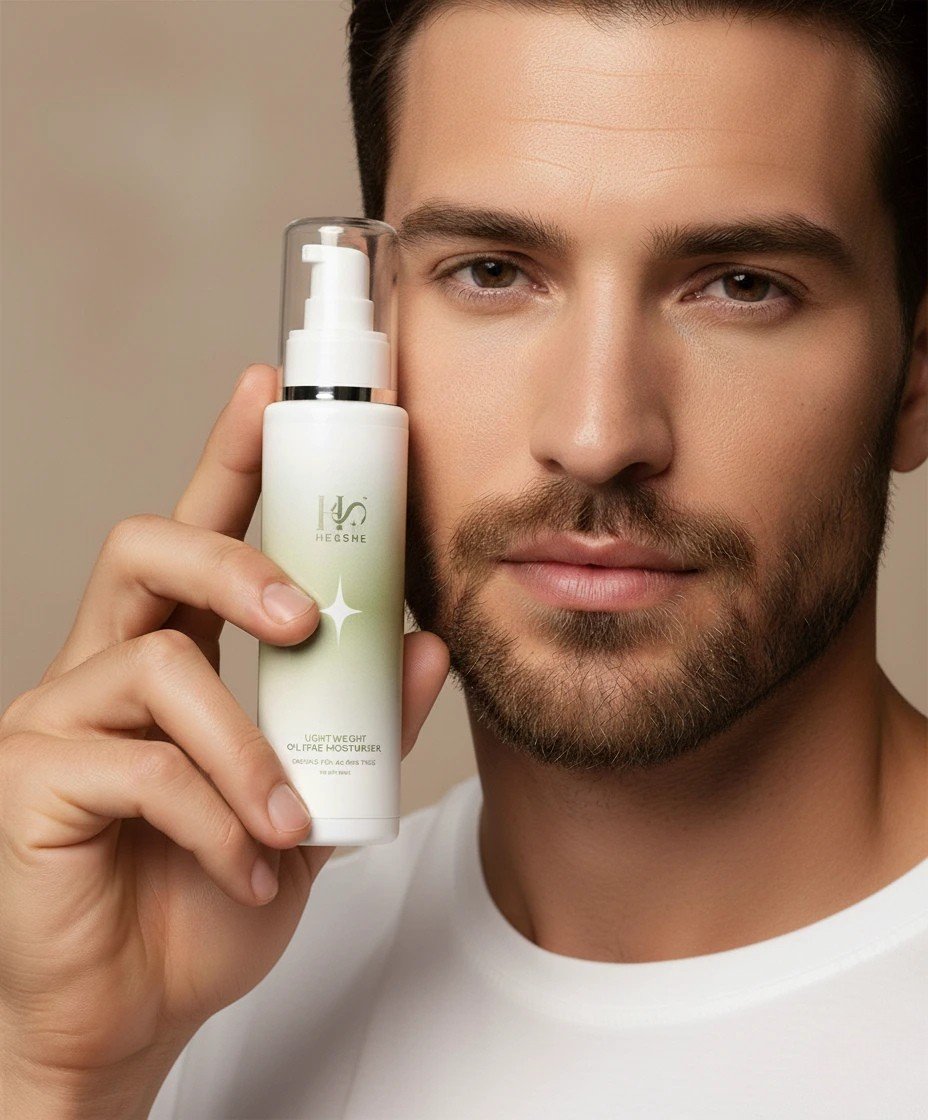
Introduction: Why Your Moisturizer Choice Actually Matters More Than You Think
You know that feeling when you apply a moisturizer and your skin feels either greasy, tight, or just… off? You’re not alone. In fact, 82% of skincare users admit they’ve used the wrong moisturizer at some point in their routine—often multiple times. The culprit? A fundamental mismatch between what your skin actually needs and what the product promises to deliver.
Here’s the truth: choosing a moisturizer isn’t one-size-fits-all. Your best friend’s holy-grail cream might be absolutely terrible for your face, and that’s not a reflection of product quality. It’s about understanding your unique skin type, your specific concerns, and how different formulation types work at a cellular level. Think of it like choosing a jacket—what keeps a person in Minnesota warm during winter won’t work for someone in Mumbai, even though both are jackets.
The skincare industry has become increasingly sophisticated, with brands offering products tailored to everything from oily, acne-prone skin to dehydrated, sensitive complexions. Yet many people are still shooting in the dark, buying based on packaging appeal or influencer recommendations rather than actual skin science. This often leads to wasted money, frustrated skin, and an endless cycle of product hopping.
In this comprehensive guide, we’ll decode the science behind moisturizers, walk you through identifying your exact skin type, and show you precisely how to select the perfect product—complete with real-world examples and insider tips that even skincare professionals use. Whether you’re dealing with persistent dryness, stubborn oiliness, or that confusing combination of both, you’ll have a clear roadmap by the end.
Part 1: Understanding Your Skin Type—The Foundation of Smart Moisturizer Selection
What Your Skin Type Actually Reveals About Your Hydration Needs
Before you even look at a moisturizer ingredient list, you need to understand what your skin is actually telling you. Skin type—whether it’s dry, oily, combination, or sensitive—isn’t just a marketing category. It’s a reflection of your skin’s natural oil production (sebum) levels and your skin barrier’s ability to retain moisture. These two factors don’t always align, which is why the wrong moisturizer can make problems worse.
Dry skin typically produces less sebum, which means your skin barrier struggles to lock in moisture. You might notice tightness, flakiness, or a dull complexion. But here’s where people get confused: just because skin is dry doesn’t mean it’s dehydrated. Dehydration is about water content, while dryness is about oil production. You can have oily yet dehydrated skin—yes, really.
Oily skin produces excess sebum, often due to genetics, hormones, or environmental factors. The trap many people fall into? They skip moisturizer entirely or use heavily fragranced products. The irony is that under-moisturizing oily skin can actually trigger more oil production because your skin is trying to compensate for perceived dryness.
Combination skin is when you’re essentially managing multiple skin types simultaneously—oily in the T-zone (forehead, nose, chin) but normal to dry on the cheeks. This requires strategic product selection because one moisture-rich cream might clog your pores in oily areas while leaving dry patches parched.
Sensitive skin is a real condition characterized by a compromised skin barrier, increased reactivity to ingredients, and conditions like redness, stinging, or burning. It can exist alongside any other skin type—you can have sensitive dry skin, sensitive oily skin, etc.
The Simple Skin Type Test You Can Do at Home
Before investing in a new moisturizer, perform this straightforward assessment:
The 30-Minute Cleanse Test:
Gently cleanse your face with a mild, pH-balanced cleanser. Pat dry with a soft towel—don’t rub. Wait 30 minutes without applying any products. Then observe:
- If your skin feels tight and uncomfortable, appears flaky, or looks dull → Dry skin
- If you see noticeable shine primarily on your forehead, nose, and chin → Combination skin
- If your entire face appears shiny and feels slick → Oily skin
- If your skin feels uncomfortable, looks irritated, or you experience stinging → Sensitive skin (can overlap with any type)
This test is far more reliable than marketing labels because it reflects your skin’s actual baseline state without product interference.
Part 2: Decoding Moisturizer Types and Formulation Science
The Four Core Moisturizer Categories and How They Work
Understanding how different moisturizer types function at a skin level transforms your selection process from guesswork into science-backed decision-making. Each category works through different mechanisms, and the “best” one depends entirely on your skin’s needs.
- Creams: The Intensive Barrier Builders
Creams are thicker, emulsion-based formulas (typically oil-in-water or water-in-oil) that provide substantial hydration and occlusion. They create a protective layer on your skin, preventing water loss while delivering moisture deep into the epidermis. Think of a cream as a sealed envelope protecting your skin’s moisture.
Best for: Dry, mature, or compromised barrier skin. Also excellent for winter months when environmental stress increases.
Why they work: Creams contain higher concentrations of occlusive ingredients like ceramides, petrolatum, or shea butter that literally seal moisture in.
Common concerns: Can feel heavy on oily skin or combination types, potentially causing congestion in pore-prone areas.
- Lotions: The Lightweight Hydrators
Lotions are lighter formulations with a higher water content and less oil. They absorb quickly and provide hydration without the heaviness of creams. They’re the middle ground—not as minimal as serums, but not as intensive as creams.
Best for: Normal to combination skin, those who want hydration without a heavy feel, summer months, or layering with other products.
Why they work: The water-based formula delivers hydration while emollients provide some occlusion without overwhelming oily areas.
Common concerns: May not be intensive enough for very dry skin; might need layering for dehydrated complexions.
- Gels: The Hydration Powerhouses for Oily and Acne-Prone Skin
Gel moisturizers are often misunderstood—many people think they’re exclusively for oily skin, but the science is more nuanced. Gels are typically water-based with hydrating humectants (like hyaluronic acid or glycerin) and minimal oils.
Best for: Oily, acne-prone, combination skin, or anyone who experiences congestion with traditional moisturizers. Also ideal for hot, humid climates.
Why they work: The lightweight, water-rich formula hydrates without creating a greasy film or clogging pores. Humectants draw water into the skin, providing hydration at a cellular level.
Common concerns: May not provide sufficient occlusion for very dry skin unless layered with an occlusive product. Can feel sticky if not properly formulated.
- Oils: The Occlusive Specialists
Pure facial oils or oil-based serums deliver intense nourishment and occlusion. However—and this is crucial—they don’t hydrate the way people think. Oils prevent water loss but don’t add water to your skin. They’re best used as the final step or layered strategically.
Best for: Dry skin, mature skin, those seeking an extra occlusive layer, or as a nighttime treatment. Certain oils (like jojoba or argan) can work for some combination skin types.
Why they work: Pure occlusion through lipids that match your skin’s natural sebum composition, creating a protective barrier.
Common concerns: Can feel heavy, might exacerbate breakouts in acne-prone individuals, and require careful selection based on comedogenic ratings.
Part 3: Matching Moisturizer Type to Your Skin Type
The Decision Matrix: What to Actually Buy
Here’s where theory meets practice. Let’s apply these formulation types to real skin types:
For Dry Skin:
Start with a cream-based moisturizer as your primary product. Dry skin needs both hydration and occlusion. Look for creams containing:
- Ceramides (strengthen barrier function)
- Hyaluronic acid (draws water into skin)
- Glycerin (humectant that pulls moisture)
- Peptides (support skin barrier repair)
- Niacinamide (reduces transepidermal water loss)
Pro tip from skincare experts: Layer your products for maximum effectiveness. Apply a hydrating toner or essence first (adds water), then follow with your cream. This “hydrate then seal” approach is dramatically more effective than applying a cream to completely dry skin.
For Oily and Acne-Prone Skin:
Reach for a gel or lightweight lotion formulated specifically for oily skin. Non-negotiables:
- Oil-free formula (silicone-based, not coconut oil-based)
- Mattifying ingredients like silica or niacinamide
- Non-comedogenic rating (won’t clog pores)
- Ingredients that don’t feed bacteria, like salicylic acid or neem
- Lightweight humectants without heavy occlusives
The counterintuitive truth: Oily-skinned individuals must moisturize. Under-moisturizing tells your skin’s sebaceous glands to produce more oil to compensate. A lightweight gel prevents this overproduction.
For Combination Skin:
This is where strategic layering becomes your best friend:
- Use a lightweight lotion on your entire face as your base
- Apply a richer cream only to dry areas (cheeks, around eyes)
- Consider an oil-control gel or mattifying product on oily zones (T-zone) if needed
Many combination skin sufferers find success with a single well-formulated lotion that hydrates without causing congestion in oily areas.
For Sensitive Skin:
Sensitive skin demands a minimalist approach with non-negotiable criteria:
- Fragrance-free (fragrance is the #1 trigger for irritation)
- Few ingredients (shorter ingredient lists mean fewer potential irritants)
- Hypoallergenic formulation
- Dermatologist-tested or recommended
- Calming ingredients like centella asiatica, allantoin, or oatmeal extract
- Avoid common irritants: alcohol, essential oils, menthol, artificial dyes
Part 4: Key Ingredients That Actually Make a Difference
The Skincare Ingredient Dictionary: What Does What
When you’re scanning product labels, most ingredients mean nothing. Here’s what actually matters:
Hydrating Heroes (Humectants):
- Hyaluronic Acid: Holds up to 1000x its weight in water. One of the most researched, proven hydrating ingredients. Works for all skin types.
- Glycerin: A humectant that attracts water to your skin. Often overlooked but incredibly effective.
- Sorbitol & Propylene Glycol: Humectants that provide hydration without irritation.
Barrier Builders (Emollients & Occlusives):
- Ceramides (especially NP, AP, EOP): Match your skin’s natural structure and repair barrier function. Essential for dry skin.
- Shea Butter: Natural emollient rich in fatty acids. Best for dry skin; potentially comedogenic for acne-prone individuals.
- Squalane: Lightweight oil that mimics skin’s natural sebum. Works across skin types without clogging.
- Petrolatum & Dimethicone: Powerful occlusives that seal moisture. Use sparingly or in specific areas.
Skin-Supportive Actives:
- Niacinamide: Reduces sebum production, strengthens barrier, minimizes pores. Works for oily and dry skin.
- Centella Asiatica (Cica): Calms irritation, strengthens barrier, anti-inflammatory. Ideal for sensitive skin.
- Peptides: Support collagen production and skin firmness. Especially beneficial for mature skin.
- Antioxidants (Vitamin C, E, Resveratrol): Protect against environmental damage and support skin health.
Red Flags: Ingredients to Avoid or Be Cautious With
- Fragrance (synthetic): Leads to irritation and barrier damage in sensitive individuals
- Essential oils: While “natural,” many are irritating (lavender, lemon, peppermint)
- Alcohol (Denat): Drying and potentially irritating, though small amounts in formulations are typically fine
- Formaldehyde releasers (like DMDM Hydantoin): Preservatives that can irritate sensitive skin
- Sodium Lauryl Sulfate: Too harsh for facial moisturizers (though fine in body products)
Part 5: Real-World Examples—Moisturizers for Every Skin Type and Concern
Dry Skin Examples
Premium Option: CeraVe Moisturizing Cream (Tub)
This formula contains three essential ceramides (1, 3, 6-II) plus hyaluronic acid and peptides. The creamy texture provides intense hydration without greasiness. Why it works: The ceramide complex directly strengthens your skin barrier while hyaluronic acid provides long-lasting hydration.
Budget-Friendly: Cetaphil Rich Hydrating Night Cream
Affordable yet effective, this cream contains hyaluronic acid and panthenol for dry skin support. Perfect if you’re testing whether a richer formula suits you before investing in premium products.
Dermatologist-Approved: Vanicream Daily Facial Moisturizer
For truly sensitive, dry skin, this dermatologist-recommended formula eliminates common irritants. It’s a lightweight cream that hydrates without fragrance, dyes, or masking fragrance.
Oily and Acne-Prone Skin Examples
Premium Option: La Roche-Posay Effaclar H Hydrating Cream
Specifically formulated for oily, acne-prone skin. It contains prebiotic thermal water, niacinamide, and ceramides. The formula is weightless yet protective—it hydrates without triggering breakouts.
Budget-Friendly: Neutrogena Oil-Free Moisture for Combination Skin
This lightweight lotion won’t clog pores and contains hyaluronic acid for hydration. It’s the perfect starter product if you’re new to moisturizing oily skin.
Gel Option: Clinique Dramatically Different Moisturizing Gel
A cult favorite for oily skin, this gel provides hydration through humectants without any heavy oils. Absorbs quickly and doesn’t leave residue.
Combination Skin Examples
Premium Option: Tatcha Luminous Dewy Skin Mist & Moisturizer
This hybrid formula provides hydration where needed without clogging oily areas. The lightweight texture is ideal for combination skin.
Budget-Friendly: Cetaphil Daily Facial Moisturizer
A true workhorse for combination skin. It hydrates adequately without overwhelming oily zones or leaving dry areas parched.
Advanced Option: Layering Strategy
Use a hydrating essence or toner first, then apply a lightweight lotion to entire face. Follow with a richer cream only on dry areas (cheeks, under eyes). This personalized approach is often more effective than finding a single “perfect” product.
Sensitive Skin Examples
Premium Option: La Roche-Posay Toleriane Ultra Cream
Formulated for sensitive skin with minimal ingredients. Contains prebiotic thermal water and niacinamide for soothing and strengthening.
Budget-Friendly: CeraVe Moisturizing Cream (Tub)
While excellent for dry skin, this formula is also dermatologist-recommended for sensitive skin due to its simple, effective ingredient list.
Specific for Barrier Damage: Vanicream Intensive Repair Lotion
If you’re experiencing barrier dysfunction (redness, irritation, stinging), this lotion focuses on repair with ceramides, hyaluronic acid, and soothing ingredients.
Part 6: Advanced Tips from Skincare Professionals
The Layering Technique That Multiplies Effectiveness
Professional estheticians use a layering method that dramatically amplifies moisturization:
The K-Beauty Approach (Hydrating Toner + Cream):
- Apply hydrating toner or essence to damp skin (this is crucial—damp skin helps seal hydration)
- Wait 30 seconds for absorption
- Apply serum if using one
- Follow with moisturizer cream
- Optional: seal with a facial oil if skin is very dry
Why this works: Each layer adds hydration and protective components. You’re essentially building a hydrated, protected skin barrier rather than relying on one product to do everything.
Seasonal Adjustments: Your Moisturizer Needs Change
Spring/Summer: Switch to lightweight lotions or gels. Your skin produces more natural oil, and heavier creams may feel suffocating and cause congestion.
Fall/Winter: Move toward richer creams and consider adding a facial oil as a final layer. Heating systems, wind, and lower humidity dramatically increase transepidermal water loss.
During Active Treatment (Retinol, Acids, etc.): Temporarily switch to more occlusive, protective moisturizers. Active ingredients compromise barrier function, requiring more intensive hydration and occlusion.
The Patch Test Protocol (Yes, You Should Actually Do This)
Before committing to a full-size product:
- Perform a 24-hour patch test on your inner arm or behind your ear
- If that’s fine, apply a small amount to a small facial area (like your jawline)
- Wait 48 hours before using it all over your face
This simple step prevents the wasted money and skin frustration that comes from discovering incompatibility after purchasing.
The Adjustment Period Reality
New moisturizers often need a 2-4 week adjustment period. Your skin will sometimes experience slight breakouts or texture changes as it adjusts to new ingredients. Don’t panic and switch products immediately—this is often temporary. However, if irritation persists beyond 3-4 weeks or worsens, discontinue use.
Combination Product Strategy: When One Moisturizer Isn’t Enough
If you can’t find a single moisturizer perfect for your combination skin, use this professional approach:
- Day: Lightweight lotion (easier to layer with sunscreen)
- Night: Richer cream (more intensive repair during sleep)
- Or: Lotion + targeted cream application (lotion everywhere, cream only on dry areas)
This isn’t cheating—it’s personalizing your routine to your actual needs.
Part 7: Addressing Common Moisturizer Problems and Solutions
Problem 1: “My Moisturizer Makes Me Greasy”
Most Common Cause: Using a cream or oil-based formula designed for dry skin when you have oily skin.
Solution: Switch to a gel or lightweight lotion. Look for “oil-free,” “non-comedogenic,” and “mattifying” on the label. Alternatively, reduce the amount you’re applying—a pea-sized amount often suffices.
Application Hack: Apply moisturizer to damp skin rather than completely dry skin. This helps it spread further and absorb more effectively.
Problem 2: “My Moisturizer Breaks Me Out”
Most Common Cause: Fragrance, comedogenic oils, or ingredients that feed acne-causing bacteria.
Solution: Switch to fragrance-free formulas. Look for the comedogenic rating of oil-based products (jojoba = 2, coconut = 4, for example). Incorporate acne-fighting ingredients like salicylic acid or neem.
Investigation Step: Identify the ingredient that’s problematic by patch testing different products and noting which ingredients appear in the ones that cause breakouts.
Problem 3: “My Moisturizer Doesn’t Seem to Do Anything”
Most Common Cause: Applying to completely dry skin without a hydrating base, using insufficient quantity, or the formula simply doesn’t suit your skin.
Solution: Layer with a hydrating toner first. Increase the amount slightly (but not excessively). If problems persist, try a different formula—sometimes skin preference is individual and unpredictable.
Advanced Troubleshooting: Your skin might be dehydrated rather than dry, requiring humectant-rich products rather than occlusive-heavy ones. Try adding a hyaluronic acid serum before your moisturizer.
Problem 4: “My Skin Feels Tight Even After Moisturizer”
Most Common Cause: Your barrier is compromised, or your moisturizer isn’t providing enough occlusion.
Solution: Add an occlusive step—either use a richer cream or seal with a facial oil. Temporarily reduce active ingredients (retinol, acids) that further compromise the barrier. Consider a moisturizer with ceramides.
Problem 5: “I Have Multiple Skin Concerns (Dry + Acne, Sensitive + Oily, etc.)”
Most Common Cause: These aren’t contradictory—you can absolutely have dry yet acne-prone skin, for example.
Solution: Prioritize barrier health first. Start with a lightweight, non-comedogenic moisturizer that hydrates without aggravating acne. Address acne separately with targeted treatments. Often, once your barrier is healthy, breakouts improve because your skin is less reactive.
Part 8: Where to Find Reliable Skincare Recommendations
Reputable Resources for Skincare Guidance
When seeking moisturizer recommendations beyond this article, consult dermatologists, estheticians, or evidence-based skincare communities. Platforms like heandshecare.com provide thoughtful, dermatologist-reviewed guidance specifically designed to help individuals make informed skincare choices tailored to their unique needs.
Many influencer recommendations are driven by sponsorships rather than skin science. Instead, look for:
- Dermatologist recommendations backed by research
- Independent skincare communities discussing real experiences
- Ingredient-focused reviews explaining why something works
- Before-and-after evidence from verified users
Part 9: Creating Your Personal Moisturizer Selection Checklist
Use this checklist when evaluating a new moisturizer:
Basic Compatibility Screening:
- Does the formulation type match my skin type? (Cream for dry, gel for oily, etc.)
- Is it fragrance-free or labeled safe for my skin type?
- Does it have a non-comedogenic or acne-safe rating?
- Is the ingredient list reasonable length (not excessively short or long)?
Ingredient Deep Dive:
- Does it contain a hydrating ingredient (hyaluronic acid, glycerin)?
- Does it contain barrier-supporting ingredients (ceramides, niacinamide)?
- Are there any ingredients I’m specifically avoiding?
- Does it contain beneficial actives for my concerns (peptides for aging, salicylic acid for acne, etc.)?
Practical Considerations:
- What’s the price per ounce? (Is it sustainable for regular use?)
- Is the packaging airless or does it encourage contamination?
- What’s the texture? (Does it feel pleasant to apply?)
- Is it available where I typically shop?
Post-Purchase Evaluation:
- Does it absorb within 2-3 minutes?
- Does my skin feel hydrated 4+ hours later?
- Am I experiencing any irritation or breakouts?
- After 4 weeks, has my skin texture or concerns improved?
Part 10: Budget Strategy—Finding Quality Without Breaking the Bank
Pharmacy-Grade (Budget):
Brands like CeraVe, Neutrogena, and Cetaphil offer dermatologist-backed formulas at accessible prices. These are often excellent starting points.
Mid-Range:
Brands like La Roche-Posay, Cetaphil’s premium lines, and Clinique offer better formulation sophistication at moderate prices.
Prestige/Premium:
Brands like Tatcha, SK-II, and Augustinus Bader offer advanced formulations and often justify their higher price through research and ingredient quality. However, expensive doesn’t always mean better for your skin.
Pro Strategy: Start with a budget-friendly, well-reviewed option from your target category. If it works, great—you’ve saved money. If it doesn’t, gradually move toward mid-range options. Many skincare professionals recommend starting with dermatologist-recommended brands before exploring prestige options.
Part 11: Debunking Common Moisturizer Myths
Myth 1: “You Need Separate Day and Night Moisturizers”
Reality: Nice marketing, but not necessary. One good moisturizer can work day and night. However, if your skin needs more intensive hydration at night and less greasy feel during the day, using different formulas makes practical sense.
Myth 2: “Natural Moisturizers Are Always Better”
Reality: “Natural” doesn’t mean safer or more effective. Some natural ingredients (like essential oils) are irritating. Some synthetic ingredients (like hyaluronic acid, which is naturally derived but synthesized) are extraordinarily effective and safe.
Myth 3: “Expensive Moisturizers Are Always Better”
Reality: Price doesn’t correlate with efficacy. Many affordable moisturizers outperform expensive ones for certain skin types. Investment should be based on ingredient efficacy and personal results, not price tag.
Myth 4: “You Should Never Use Moisturizer on Oily Skin”
Reality: Oily skin absolutely needs moisturizer—just the right formulation. Using nothing or using heavy creams creates problems. A lightweight gel or lotion is essential.
Myth 5: “All Moisturizers Work the Same, It’s Just Packaging”
Reality: Formulation differences are substantial. A $10 lotion and a $100 cream have fundamentally different ingredient concentrations and ratios that dramatically affect performance.
Part 12: Technology and Innovation in Modern Moisturizers
Emerging Ingredients and Technologies
Peptides and Protein Complexes: These amino acid chains support collagen production and skin structure. Increasingly common in anti-aging moisturizers.
Probiotics and Postbiotics: These support skin microbiome health, reducing irritation and inflammation. Newer research shows promising results for sensitive and acne-prone skin.
Adaptive Hydration Technology: Some advanced moisturizers adjust their hydration levels based on your skin’s needs throughout the day.
Encapsulation Technology: Ingredients are wrapped in microscopic spheres that release them gradually for prolonged benefits.
Fermented Ingredients: Fermented botanicals often have enhanced bioavailability (skin can better absorb and utilize them).
These innovations aren’t necessary for good skincare—traditional ingredients still work—but they represent the direction skincare science is moving toward increasingly personalized, effective solutions.
Part 13: Special Circumstances Requiring Adjusted Moisturizer Strategies
Postpartum Skin Changes
Hormonal shifts after pregnancy often cause skin changes. What worked before might not work anymore. Solution: Re-assess your skin type and consider a moisturizer addressing hormonal acne or sensitivity.
Menopausal Skin Transitions
Decreased estrogen affects oil production and barrier function. Most women need more occlusive, barrier-supportive moisturizers during this transition.
Skin Barrier Damage (From Over-Exfoliation, Retinoid Use, etc.)
Temporarily pause active ingredients and switch to very gentle, occlusive, ceramide-rich moisturizers focused purely on barrier repair.
Medical Conditions (Eczema, Psoriasis, Rosacea, etc.)
These require specialized moisturizers or dermatologist recommendations. Standard beauty moisturizers often aren’t appropriate. Consult your dermatologist for specific guidance.
Part 14: Taking Action—Your Next Steps
Week 1: Assessment
Perform the 30-minute cleanse test to determine your skin type. Take honest notes about current skin concerns (dryness, oiliness, sensitivity, breakouts, etc.). Research your current moisturizer’s ingredients to understand why it is or isn’t working.
Week 2: Research and Selection
Based on your skin type, identify 2-3 moisturizer candidates from the price range that fits your budget. Read reviews but focus especially on reviews from people with your skin type. Use the checklist from Part 9 to evaluate options.
Week 3: Patch Testing
Perform patch tests on 1-2 products. Apply to small facial area. Wait 48 hours. Assess for irritation or adverse reactions.
Week 4: Integration and Monitoring
Begin using your selected moisturizer. Apply twice daily (morning and evening). Keep notes on how your skin responds. Watch for hydration improvement, texture changes, breakouts, or irritation.
Weeks 5-8: Adjustment Period
Resist the urge to switch immediately if you experience slight texture changes or minor breakouts. Give the product a full 4-week adjustment period. However, if severe irritation develops, discontinue immediately.
Week 8+: Evaluation
After 8 weeks, honestly assess:
- Has your skin hydration improved?
- Have specific concerns (acne, dryness, sensitivity) gotten better?
- Does your skin feel comfortable throughout the day?
- Are you experiencing breakouts or irritation?
- Does the product feel pleasant to apply?
If the answer to these questions is yes, you’ve found a match. If not, return to your research and try the next candidate from your list.
(FAQ) About Moisturizer Selection
1: Can I Use the Same Moisturizer for Both Face and Body?
Facial skin is thinner and more sensitive than body skin. Face and body moisturizers are formulated differently for these reasons. Using a body moisturizer on your face might clog pores or cause irritation. However, using facial moisturizer on your body is fine (though inefficient economically). If you want one product, choose a facial moisturizer and use it everywhere.
2: How Much Moisturizer Should I Apply?
For creams, start with a pea-sized amount. For lotions, a nickel-sized amount. Apply to damp skin and spread gently. Less is often more—applying excessively doesn’t proportionally increase hydration and often leads to greasiness. Adjust based on how your skin responds.
3: What’s the Difference Between Hydrating and Moisturizing?
Hydrating products add water to your skin (using humectants like hyaluronic acid or glycerin). Moisturizing products seal water into your skin (using occlusives like oils or ceramides). Both are important. Hydrating products work best on damp skin. For optimal results, hydrate then occlude.
4: Can I Mix Two Different Moisturizers?
Yes, strategically. For example, mixing a hydrating serum with a cream can create a customized formula. Mix on your palm before applying. However, don’t randomly combine products—ensure they’re compatible (no potential chemical reactions) and that the combination serves a purpose (lighter consistency, added benefits, etc.).
5: How Often Should I Switch Moisturizers?
If your moisturizer works well, don’t change it unnecessarily. However, seasonal changes might warrant a switch (lighter in summer, richer in winter). If your skin changes (due to medication, hormones, climate change, etc.), reassess your moisturizer choice. A product that worked for 5 years might stop working after a move or life change.
Conclusion: Your Moisturizer Transformation Starts Now
Choosing the perfect moisturizer feels overwhelming when you’re staring at hundreds of options with conflicting reviews and marketing jargon. But here’s the empowering truth: It’s not complicated when you understand the science.
Your skin type, combined with your specific concerns and the formulation chemistry, creates a clear picture of what you need. A dry-skinned person needs occlusion and hydration; an oily-skinned person needs lightweight hydration without congestion; a sensitive person needs barrier support without irritants. It’s logical, predictable, and entirely within your control.
The moisturizer selection process isn’t about finding some magical product that instantly transforms your skin. It’s about consistently using a formula that hydrates, protects, and supports your skin barrier. It’s about understanding ingredients rather than brand names. It’s about honest assessment and iterative improvement rather than endless product hopping.
Your action items are clear:
- Identify your skin type using the science-backed assessment method provided here.
- Understand what your skin actually needs based on that type and your specific concerns.
- Select a moisturizer formulation that matches those needs (cream for dry, gel for oily, etc.).
- Evaluate the ingredient list using the guidance provided—look for humectants, barrier builders, and actives relevant to your concerns.
- Commit to testing for a full 4 weeks before deciding if it’s truly a match.
Remember, the best moisturizer isn’t necessarily the most expensive or the most talked-about. It’s the one that leaves your skin hydrated, comfortable, and healthy. That’s the definition of perfect for your unique skin.
For additional personalized skincare guidance as you implement these strategies, platforms like heandshecare.com provide dermatologist-reviewed recommendations that can help you navigate your specific situation and concerns.
Your journey to perfectly moisturized, healthy skin doesn’t begin with the next purchase. It begins with understanding why you’re making that purchase. Start that journey today, use the strategies and checklists provided in this guide, and give yourself the gift of consistent skincare that actually works for you.
The perfect moisturizer isn’t a mystery—it’s waiting for you once you know exactly what to look for.